






Chanel Nº5, the iconic women’s fragrance

Earn 10.00 Reward Points by commenting the blog post
Introduction
Chanel Nº5 has been the iconic women’s fragrance for more than 100 years. The best-selling perfume in the world and the scent of seduction par excellence. There are a few things that many people agree on, one of them is undoubtedly Chanel Nº5, the fragrance that defines women’s scent.
Writing about Chanel Nº5 is an idea that has been around for a long time. And, although it is an individual product, its relevance and prestige require the utmost attention. The world of perfumery, or rather, of perfumers, is unknown to me, so I will have to delve into it and learn some of its secrets. If you want to know everything about Chanel Nº5, this is the time.
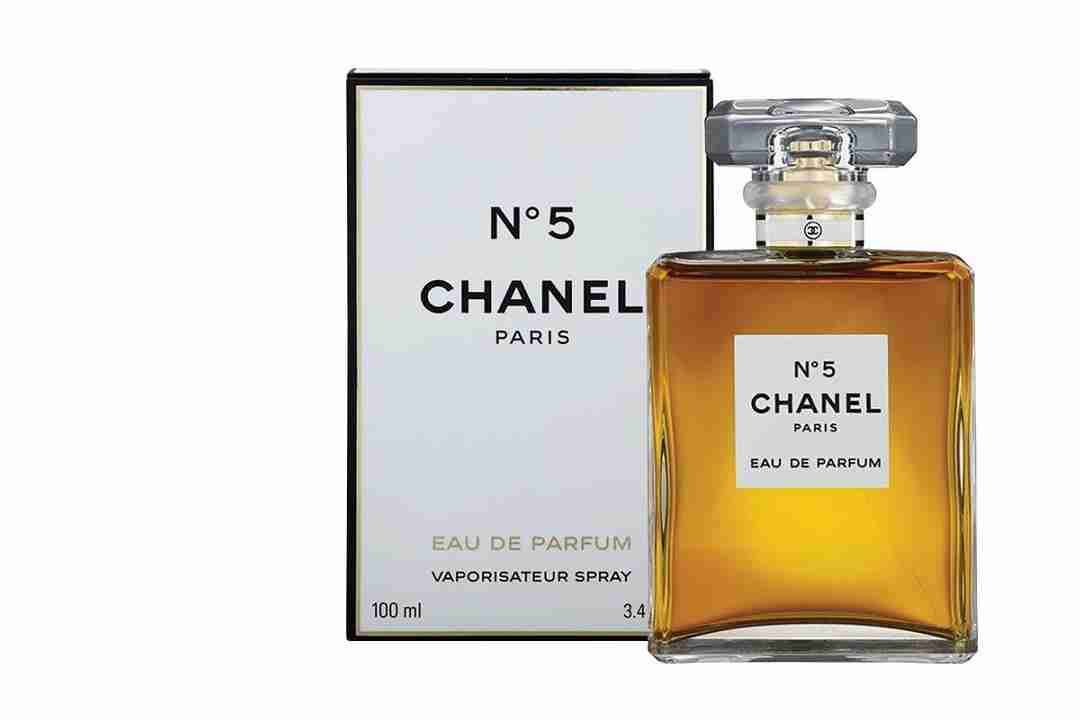
Brief History
In 1921, Coco Chanel departed from convention and decided to create a different fragrance. I knew that an unconventional perfume had to be presented with a ” different” marketing strategy. Today, that strategy is called BTL (behind the line) and consists of showing the product in small doses to selected people. Thus, he invited some friends of high society to dinner, and, at a certain moment, he sprinkled his guests with a few drops of Chanel No. 5 and gave them some bottles. She also scented the dressing rooms of her boutiques with perfume, creating the most pleasant and differentiated environments.
This meticulous and measured presentation of Chanel No. 5 was an overwhelming success and immediately became the something desired by all. “A bottle of Chanel No. 5 was like having a winning lottery ticket,” said Misia Sert, a friend of Coco’s. At that time, it was sold exclusively in the brand’s boutiques.
In 1924, Coco Chanel decided to associate and make the brand independent, creating Parfums Chanel and continuing to show the idea of scarcity and exclusivity of its fragrances. In 1934, he quietly began advertising the perfume in New York, in a deliberately sporadic and limited manner. The following decades multiplied the points of sale, attracting new audiences, changing the direction of marketing and losing the original message. By the end of the 1960s, the perception of Chanel No. 5’s sophistication and exclusivity vanished and it was at risk of being identified as an old-fashioned perfume.
At this point, Chanel perceived this situation as an opportunity rather than a problem, and he deployed all his ingenuity to to regain the prestige it had lost. In 1905 1974, Alain Wertheimer was appointed CEO of the company and immediately set out to place a declining perfume (Chanel No. 5) on the brand’s key banner. It eliminated the product from pharmacies, reducing the number of points of sale by 30%, recovering the glamour and sophistication that Coco Chanel had achieved.
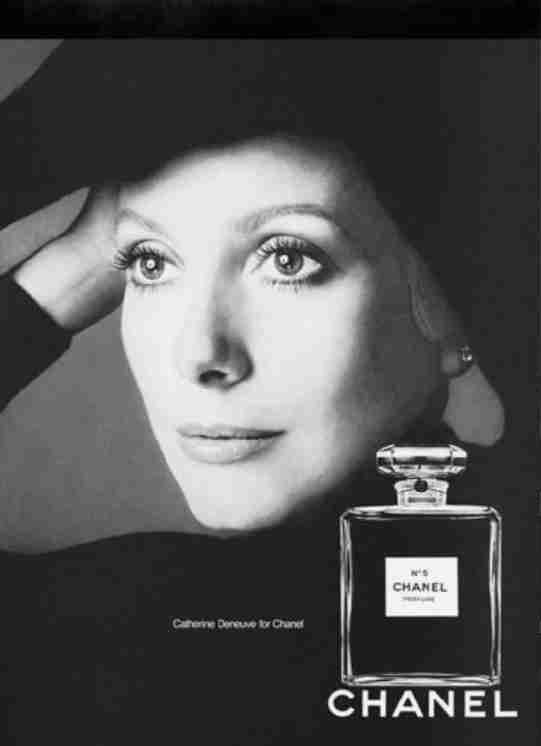
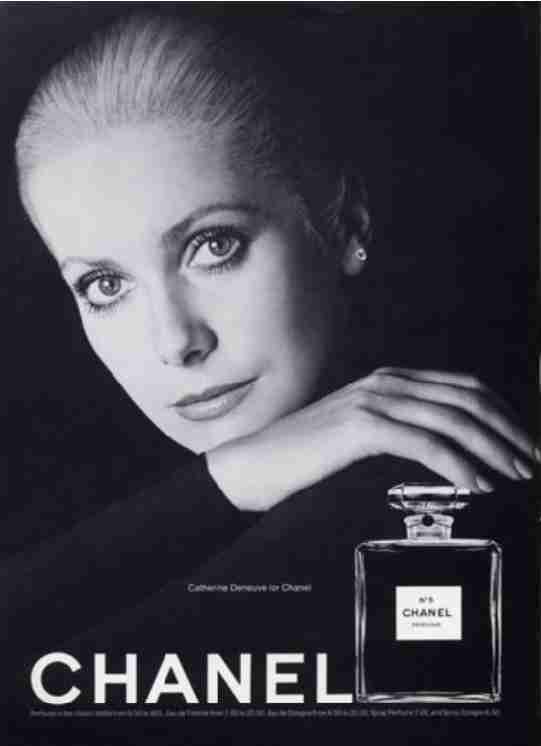
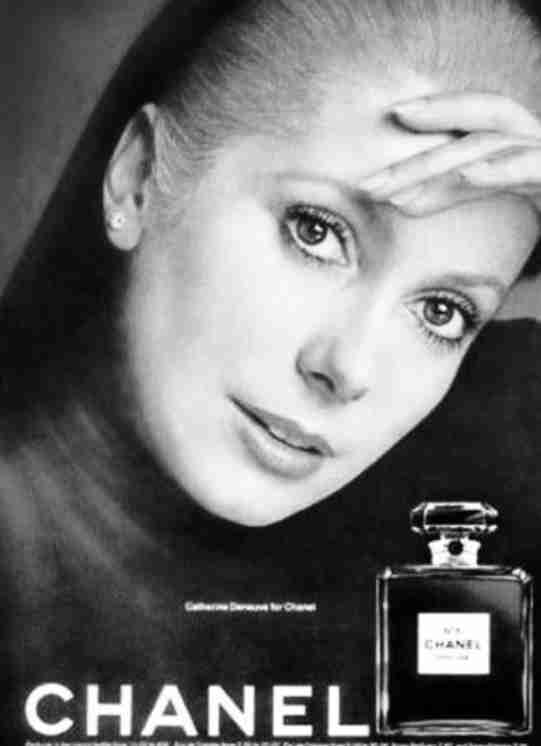
Probably the boldest decision he made was to eliminate the external advertising agencies and put Jacques Helleau (Artistic Director) in charge of all creativity, including advertising. For 40 years he ratified the brilliant decision by creating the most prestigious image of Chanel in the world. To begin this new era, Chanel chose Catherine Deneuve as the face of the brand. Photographer Richard Avedon’s natural look of Catherine and the Chanel No. 5 bottle made it possible to revive the brand’s image.
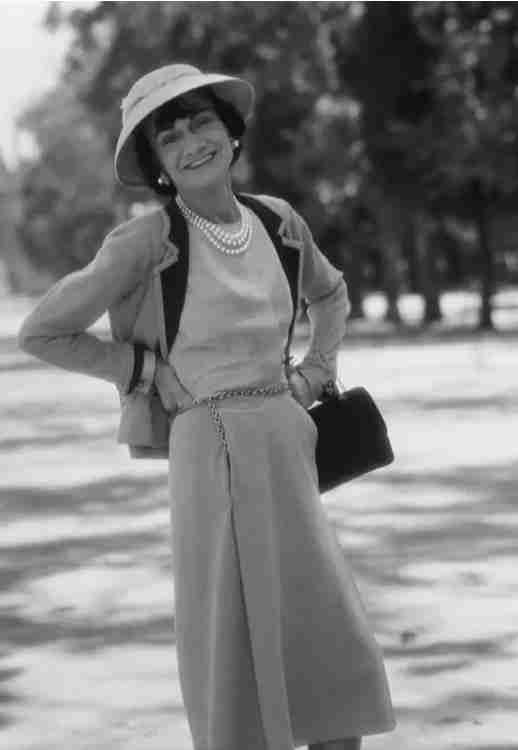

The Creation of Perfume
After the death of his great love, Boy Capel, Coco Chanel, at the end of 1919, and to escape such a hard blow, he made a trip to Italy. There she meets Grand Duke Demetrius Romanov, cousin of Tsar Nicholas II, who will become her lover and share a taste and fondness for perfumes. Chanel thinks that seduction can be found in the personality, in the way the person walks, in what the person transmits. She did not like the perfumes of that time, they did not convey the personality of women, and she decided to create her own perfume, entrusting the task to Ernest Beaux.
Ernest Beaux created an abstract perfume without a defined natural scent. He used a large amount of aldehydes, achieving an innovative aroma. The flowers he mainly used are: ylan-ylang of the Comoros (the flower of the flower), jasmine of Grasse (fruity), roses of May, neroli of Grasse, vanilla of Bourbon, vetiver of Bourbon and sandalwood.
Beaux presented a series of numbered samples, Chanel chose No. 5 , which contained aldehyde and essences. Once the sample was selected, Chanel explained to Ernest Beaux: “I always launch my collection on the fifth day of the fifth month, so number 5 seems to bring me luck; that’s why I’ll call it ‘ No. 5.’ ”
Initially, only 100 bottles were produced that Chanel gave away to its best customers. The perfume was so successful that it went from being exclusive to Chanel’s customers to not having enough production to meet the demand of even its circle of customers.


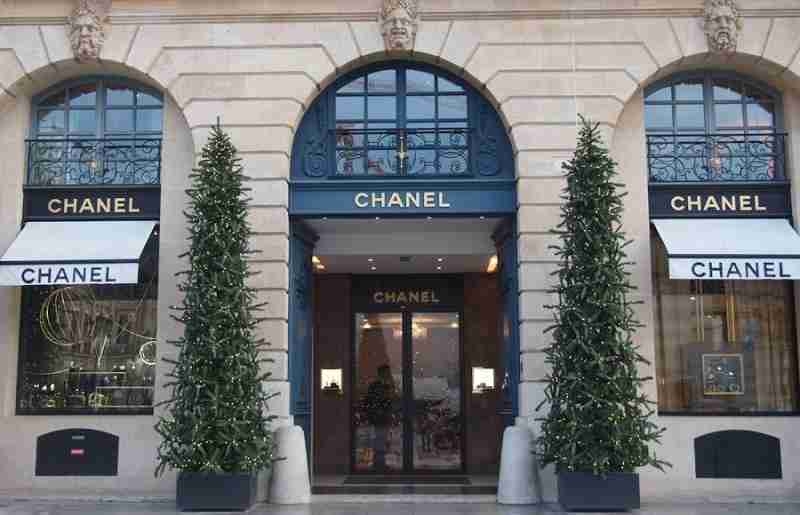
Something unique about this perfume is its bottle. Forgetting the ornate packaging of contemporary perfumes, Chanel opted for a flat, transparent glass container with beveled edges and a small white rectangular label with black edges, no embellishments, just elegance. The transparency of the glass gave the perfume the cleanliness of the pure, the authentic, while the stopper, in a nod to his native Paris, accurately reproduces the floor plan of the famous Place Vendôme, where his famous jewelry boutique is located at number 18.
Chanel always commented, “Always simplify, never add.” Its case continues with the criteria of simplicity, with a white background and small black borders highlighted with gold. In 1959 it entered the Metropolitan Museum in New York and in the 60s, Andy Warhol used it as inspiration and protagonist in one of his series of works.
Fragrance theory and its olfactory characteristics
Choosing a perfume is not easy, as we must take into consideration the parts that make it up. Distinguishing the notes of a perfume means objectively assessing its olfactory characteristics. These are usually many and do not appear all at once, but appear in our nose in different stages, depending on the action of the perfume we are evaluating. Normally, perfumes go through three different phases, three stages in which the perfume evolves until it achieves its own character.
You have to be patient, to assess the smell of a perfume not only when spraying, but also after a while, to recognize all its nuances. The ingredients of each perfume (natural or artificial) are known as notes , and to know them well, you need to know the olfactory pyramid.


The Olfactory Pyramid
This is the traditional way in which the phases through which a perfume evolves when applied have been structured:
Top Notes
These are the notes that the perfume gives off in the first minutes (10 / 15 min.) from the application. They are the perfume’s calling card . They are usually fresh and suggestive notes (citrus, green, aromatic or aldehydic), to awaken the sense of smell at the first time.
Heart Notes
They are more elaborate and rich in nuances, structuring the soul of the fragrance. They bring identity and character to the perfume, making it unique and differentiating it from the rest. They are perceived 15 minutes after application and can last up to 6 hours. They are usually floral and fruity.
Base notes
They are more persistent and intense than the heart notes and put the finishing touch to the perfume. Their job is to bring depth and intensity to fragrances. They usually manifest themselves 2 hours after application, giving the final and longest-lasting aroma of the fragrance. They are usually aromas of wood, amber, musk, moss or intense spices.
Olfactory families
According to the information from the Perfume Academy Foundation , there would be 7 families in which the olfactory notes would be classified: Citrus, Floral, Fougère, Cyprus, Woody, Amber or Oriental , to which Gourmand would be incorporated, a family on the rise in our culture with gastronomic roots.
Citrus family
Also known as Hesperide, it is composed of top notes derived from the peels of citrus fruits such as bergamot, lemon, tangerine, orange and grapefruit. They are usually soft, fresh, with a touch of acid, unisex, for all ages and any season of the year. An example would be traditional eau de cologne (Eau de Cologne 1709). Common notes in this type of perfume: bergamot, orange blossom, lemon, tangerine, orange, neroli, petitgrain and yuzu.

Floral Family
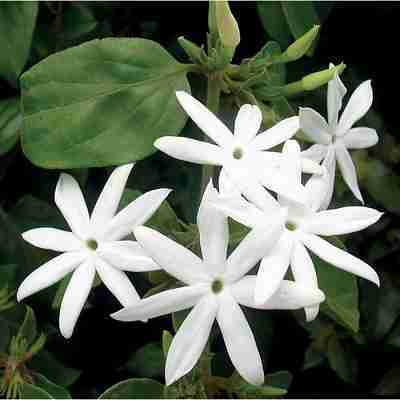
It is the most popular and extensive, as old as the citrus family and includes the perfumes of a single flower (soliflore) or a set of varied flowers (bouquet). They are enriched with other notes and give rise to green, aquatic, fruity, white flower, floral-aldehydic, spicy and floriental floral fragrances. The most commonly used floral notes are: rose, jasmine and neroli. Other common notes of this type of perfume are: champaca, geranium, iris, lily, magnolia, mimosa, tuberose, neroli, osmanthus, rose, violet, ylang-ylang, etc…
Fougère family
It means fern in French and refers to achieving the smell of a walk in the woods. They are usually described as masculine and green fragrances and are reminiscent of freshly cut grass or freshly mown hay. They usually contain a central detail of lavender, coumarin , and oakmoss. Common notes in this type of fragrance are: fir, basil, bergamot, coumarin, juniper, galbana, geranium, tonka bean, violet leaf, lavender, oakmoss, pine and sage.

Cyprus Family
Sophisticated fragrances with light and fresh top notes such as bergamot and the deep base of oakmoss. Perfumes Classic Cyprus is usually a bit abstract and, over the years, variants have emerged, with the most common being Fruity chypre, green chypre, aquatic chypre, woody chypre and leather chypre. Common notes to this fragrance are: bergamot, beta ionone, cistus or labdanum, jasmine, oakmoss, patchouli, rose, sandalwood, vanilla and ylang-ylang.
Woody family
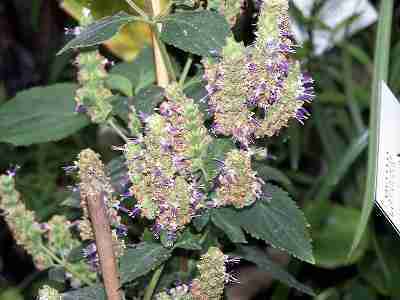
This family includes perfumes in which their defining note is wood: roots, bark, resins, leaves, moss, pine cones and shrubs inspire these fragrances. Like the floral family, this family allows for many possibilities: warm notes (sandalwood, patchouli), dry notes (cedar), fresh notes (pine and conifers) or smoky notes (vetiver, oud). The top notes of these perfumes are often accompanied by citrus and herbal notes such as lavender. Common notes to this type of perfume are: birch, Atlas cedar, Virginia cedar, juniper, oud, patchouli, sandalwood and vetiver.

Amber or Oriental family
Oriental fragrances, also known as amber or balsamic, are warm, sensual, musky, sweet, and intense. The resins, balms, woods, spices, musks and amber accords that characterize them evoke smells, colors and flavors of the East. They tend to last a long time on the skin, as they have very pronounced base notes. Common notes to this type of perfume are: musk, benzoin, balsams of Peru and Tolu, cinnamon, cardamom, cistus, tonka bean, frankincense, myrrh, patchouli, sandalwood, vanilla and vetiver.
Gourmand Family
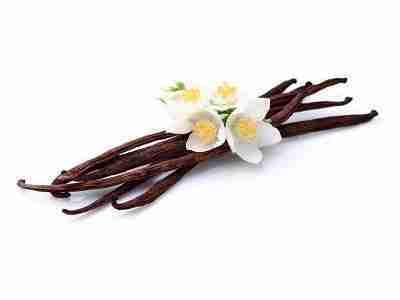
They are characterized by their warm and sweet, even “edible” aromas, usually accompanied by spicy nuances. The formulation of these fragrances often contains notes of vanilla and tonka bean, as well as molecules that represent food flavors and smells . Common notes to these types of fragrances are: cotton candy, almonds, coffee, caramel, bubblegum, chocolate, cognac, milk and vanilla.

Types of Fragrances
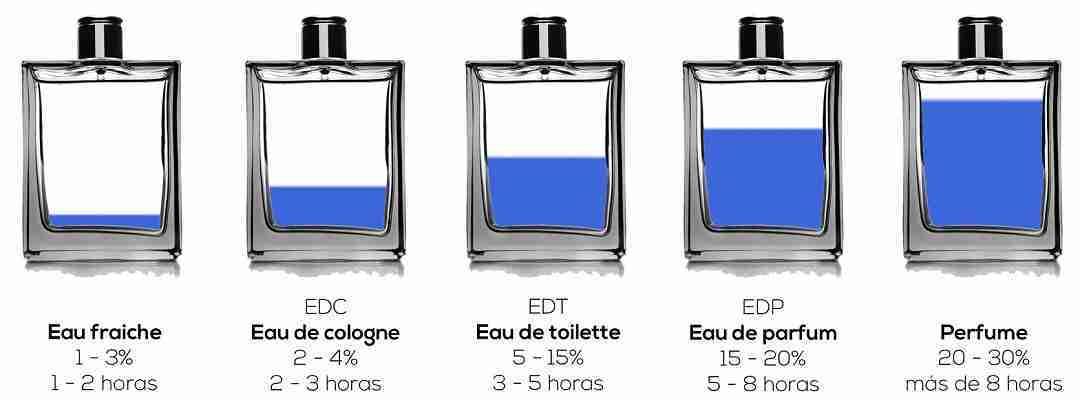
Not all perfumes are created equal. Different fragrances can be made within the same perfume, depending on the concentration of oil it contains and the proportion of solvent alcohols and water. Thus, a higher concentration of essence oil will give greater intensity to the fragrance and, therefore, a longer duration of its aroma. By lowering the concentration of oils, we will obtain less intense fragrances and therefore less long-lasting. Also, logically, the higher the concentration of oil, the higher the price, and vice versa.
The names that are applied to the different fragrances, because they are explicit, already reflect the differences between the fragrances. Let’s take a look at the different names given to fragrances:
Perfume
It has an oil concentration of more than 20%, i.e. more aromatic essence. It usually lasts almost all day, a few drops of perfume linger in its aroma for up to 8 hours. Perfumes have a low amount of alcohol, which is ideal for sensitive skin, as alcohol dries out the skin easily. They are the most expensive fragrances.
Eau de Parfum
The next highest fragrance is the Eau de Parfum with an oil concentration between 15% and 20%. Its aroma lasts for about 4 hours. It is a very good quality fragrance and its price is more affordable, due to the lower amount of essence.
Eau de Toilette
It is a fragrance with an oil concentration that varies between 5% and 15%. It is the favorite fragrance for everyday use. Its aroma usually lasts an average of 3 hours. It is recommended to touch up the application throughout the day. As it contains 3% water, it feels softer on the skin.
Eau de Cologne
The The oil concentration of eau de cologne ranges from 2 to 4%. Its alcohol content is high , so it costs less than previous fragrances. Due to its alcohol content, it can irritate or make the skin rustle. Its aroma lasts an average of 2 hours. Suitable for daily use and after sports grooming. It owes its name, although not its composition, to the famous fragrance of the City of Cologne (Germany) since 1709, a fresh and citrusy fragrance.
Eau Fraiche
With just A concentration of 1 to 3% oil, is found in fresh water. Although it has a fairly low amount of oil, the concentration of alcohol is also minimal. It’s your place The Eau Fraiche iscomposed mostly of water, which gives it its name. An ideal choice for sensitive skin, its scent usually lasts a maximum of 2 hours. They are quite inexpensive.

Composition, Notes, and Presentation
Chanel Nº5, as defined by Ernest Beaux, has a very defined composition and notes. He and Coco Chanel offered a different, abstract, unique perfume. Subsequently, after the success of the fragrance, Nº5 was developed to complete the offer. We analyze all Chanel No. 5 fragrances with their ingredients and olfactory notes:
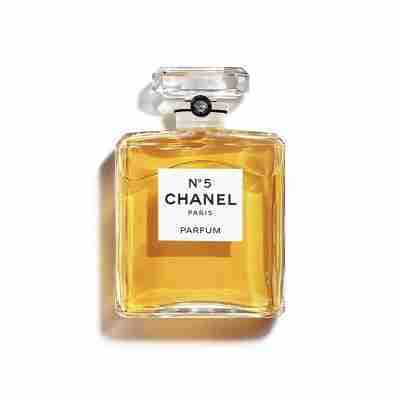
Chanel Nº5 Parfum Grand Extrait
The original perfume. An abstract floral fragrance where May rose and jasmine de grasse stand out. “A woman’s perfume with a woman’s smell.” Creation: Ernest Beaux.
Year of release: 1921. Olfactory family: Floral aldehydic. Top Notes: Aldehydes, Ylang-Ylang, Neroli, Bergamot, and Lemon (Sour Lime) Heart Notes: Iris, Jasmine, Rose, Lily Root, and Lily of the Valley (Lily-of-the-Valley) Base Notes: Civet, Musk, Amber, Sandalwood, Moss, Vanilla, Vetiver, and Patchuli.
Presentation: Bottles of 900 / 450 / 225 ml. Price (VAT included): €9,200.00 / €4,600.00 / €2,300.00.
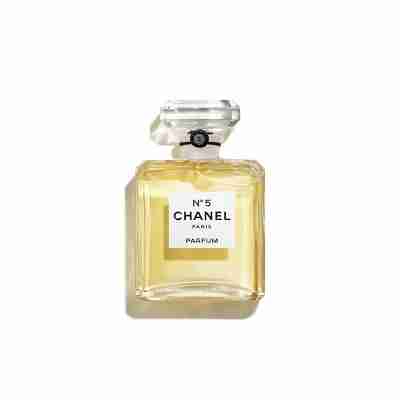
Chanel Nº5 Parfum Extrait
The original perfume. An abstract floral fragrance where May rose and jasmine de grasse stand out. “A woman’s perfume with a woman’s smell.” Creation: Ernest Beaux.
Year of release: 1921. Olfactory family: Floral aldehydic. Top Notes: Aldehydes, Ylang-Ylang, Neroli, Bergamot, and Lemon (Sour Lime) Heart Notes: Iris, Jasmine, Rose, Lily Root, and Lily of the Valley (Lily-of-the-Valley) Base Notes: Civet, Musk, Amber, Sandalwood, Moss, Vanilla, Vetiver, and Patchuli.
Presentation: 30 / 7.5 ml bottles. Price (VAT included): €310.00 / €120.00.
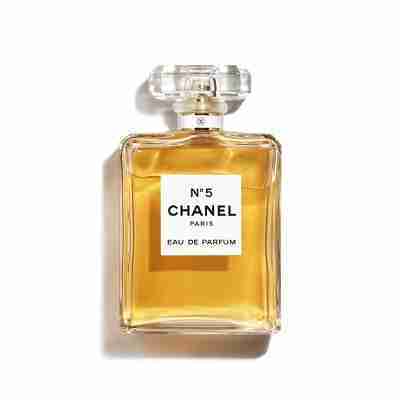
Chanel Nº5 Eau de Parfum
A fragrance from the Floral Aldehydica family. A floral fragrance where May rose and jasmine stand out with a hint of vanilla. “A woman’s perfume with a woman’s smell.” Creation: Jacques Polge.
Release year: 1986. Olfactory family: Floral aldehydic. Top Notes: Aldehydes, Ylang-Ylang, Neroli, Bergamot and Peach (Peach) Heart Notes: Iris, Jasmine, Rose and Lily of the Valley Base Notes: Sandalwood, Vanilla, Oakmoss, Patchuli and Vetiver.
Presentation: Bottles of 200 / 100 / 50 / 35 ml. Price (VAT included): €252.00 / €157.00 / €113.00 and €77.00.
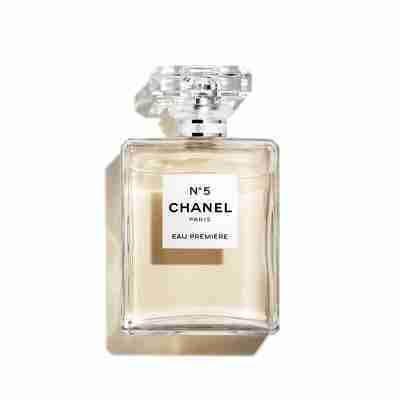
Chanel Nº5 Eau Première
A floral, luminous and airy reinterpretation of No. 5. On top of the aldehydic floral base, the voluptuousness of Ylang ylang from the Comoros stands out, along with May Rose and jasmine, with a subtle touch of Vanilla and musk. Creation: Jacques Polge.
Release year: 2008. Olfactory family: Floral aldehydic. Top notes: aldehydes, ylang-ylang and neroliHeart notes: jasmine and rose. Base notes: vanilla, sandalwood and vetiver.
Presentation: Bottles of 100 / 50 / 35 ml. Price (VAT included): €157.00 / €113.00 / €77.00.
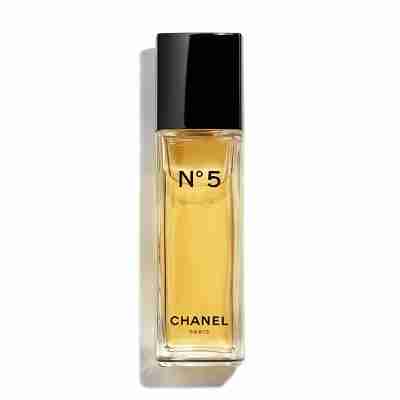
Chanel Nº5 Eau de Toilette
The Eau de Toilette fragrance is an echo of the original Nº5 bouquet. A warm and lively version within a floral accord. Dominated by Neroli Ylan Ylang, enhanced by aldehydes and the alchemy of Vanilla, Vetiver and Sandalwood. “The very essence of femininity.” Creation: Ernest Beaux.
Year of release: 1924. Olfactory family: Floral aldehydic. Top Notes: Aldehydes, Ylang-Ylang, Neroli, Amalfi Lemon (Amalfi Lime) & Bergamot Heart Notes: Iris, Jasmine, Rose, Lily Root & Lily-of-the-Valley Base Notes: Civet, Musk, Sandalwood, Oakmoss, Vetiver, Amber, Vanilla & Patchouli.
Presentation: 100 / 50 ml bottles. Price (VAT included): €136.00 / €98.00.
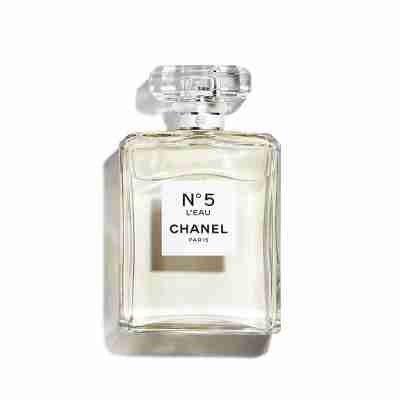
Chanel Nº5 L’Eau
A vibrant abstract floral with modernity as its flag and freshness as its leitmotif. Nº5 L’Eau is a eulogy to simplicity. Less abstract than the previous ones, it enhances the citrus fruitsNº5 L’EAU, Creation: Jacques Polge.
Release year: 2016. Olfactory family: Floral aldehydic. Top Notes: Aldehydes, Lemon (Tart Lime), Neroli, Mandarin, Bergamot, Orange and Lime (Lime)Heart Notes: Ylang-Ylang, Jasmine and May Rose. Base notes: white musk, lily root, cedar and vanilla.
Presentation: Bottles of 100 / 50 / 35 ml. Price (VAT included): €157.00 / €113.00 / €77.00.
Icon of fashion and luxury
“Simplicity is true elegance” (Coco Chanel)
It would seem that Chanel, before perfumes, was a benchmark in fashion and luxury, and maybe so. But no. The explosion of Coco Chanel is caused by the unexpected success of Chanel Nº5. Who knew!
Chanel is one of the most successful and powerful brands in the fashion world. The visionary power of Coco Chanel led the brand to revolutionize women’s fashion, marking a before and after. Discovering the elegant and independent woman, capable of dressing in masculine garments adapted to the female body, becoming modern and free at the same time.
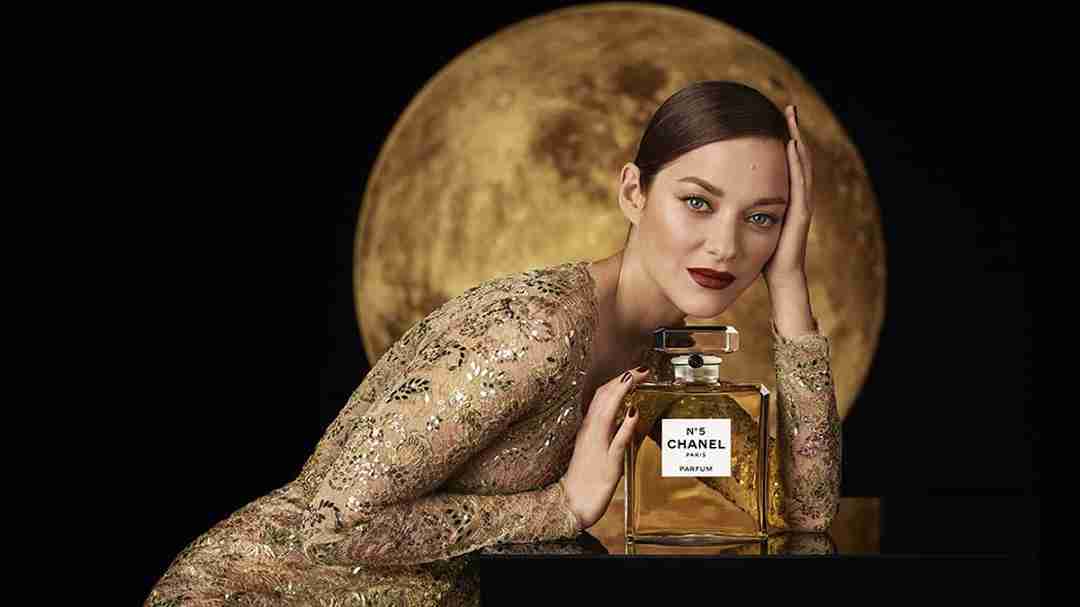
Soon, after the success of Chanel No. 5, came her first makeup collection (1924) or her first diamond jewelry collection (1934). All her creations were distinguished and elegant like her. In 2021 Chanel No. 5 turned 100 years old, an anniversary she celebrated with Marion Cotillard.
The brand grew, becoming an icon of fashion and luxury. Her acting palette is extraordinary: haute couture, fashion, high jewellery, jewellery, watches, eyewear, perfumes, make-up and beauty treatments. On all plots it stands out with elegance, offering luxury items for the most demanding customers.
Now, the brand is owned by Alain Wertheimer and Gerad Wertheimer, grandsons of Coco Chanel’s former partner, Pierre Wertheimer. After Karl Lagerfeld’s death, Virgine Viard is his fashion designer. The creation of perfumes is in the hands of perfumer Olivier Polge. They all continue the work that Coco Chanel started and pamper Chanel Nº5 as the product that took the brand to the pinnacle of fashion and luxury.
Undoubted references to the impact on fashion and luxury are Elizabeth Taylor, Grace Kelly and Rita Hayworth who wore his designs. Jackie Kennedy was wearing a Chanel dress on November 22, 1963, when her husband was shot.
1974, The Advertising That Revolutionized Marketing
When, in In 1974, Alain Wertheimer took control of the company, instantly understood the potential of Chanel No. 5, and directed the strategy of No. 5 by making it the cornerstone of Chanel. Alain, together with Jacques Helleu , undertook an intense task: to reposition Chanel No. 5 at the top of world perfumery. To do this, they decided to recover the exclusive and distinguished character of Nº5 and eliminated distribution points, from 18,000 to 12,000. In addition, they developed a new marketing strategy, taking back control and eliminating the Advertising Agencies.
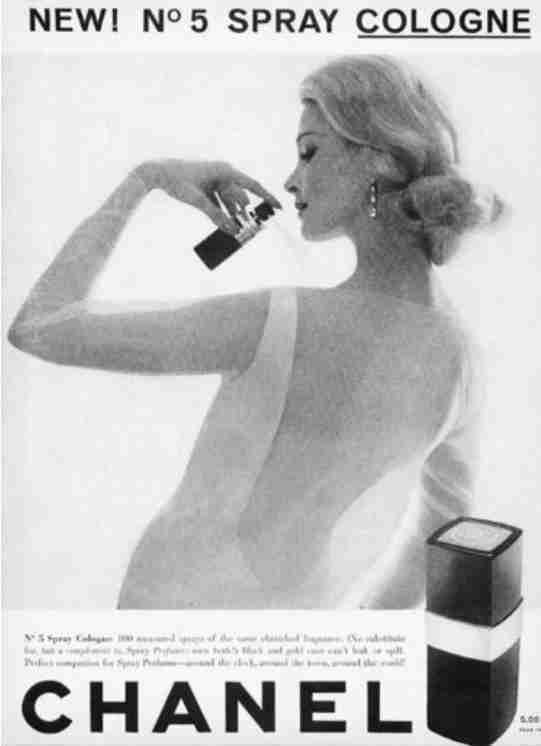
Jacques Helleu knew that Coco Chanel had created the best perfume ever, and he defined his new marketing using Coco’s storyline. There is no one better than her to clearly reflect what was intended with Nº5 and how to achieve it. The simplicity that Coco always proclaimed had to be the center of the campaign. No slogans would be used, or headlines in advertisements. The photographs would be in black and white, with high contrast to eliminate details and give a sense of cleanliness and clarity.
Helleu chose Richard Avedon for the photograph. Avedon thought that in order for photography to be successful in marketing, it must have another objective parallel to the intention to sell. That is why he sought the viewer’s attention in the human aspect, highlighting the personality, even the flaws of the model. His photographs show a person and a perfume, seeking an easy connection with the viewer.
For this new advertising venture, he chose Catherine Deneuve as the face of the brand. At the time, the 30-year-old Deneuve was nominated by the press as the most elegant woman in the world.
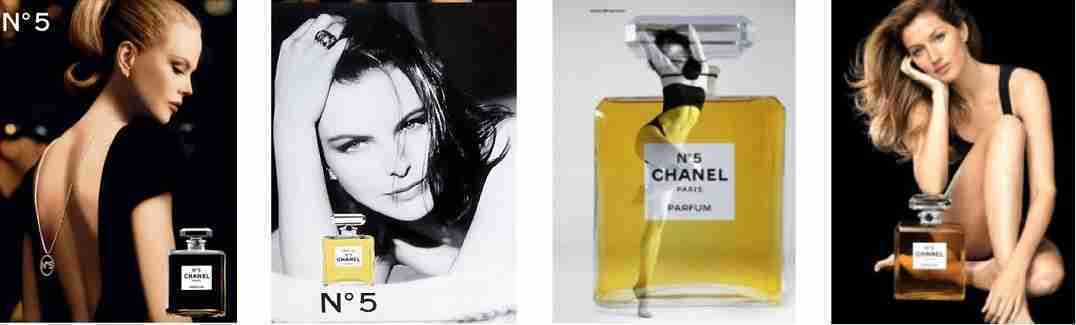
The success of the campaign extended the concept to other models. From 1974 to the present day, the ideas of Helleu and Avedon continue to star in the campaigns of Nº5. Other talented photographers, maintaining the idea of simplicity, transparency and elegance, worked with Helleu until 2007, the year in which he passed away. Everyone has highlighted his vision and leadership skills. He had managed to climb back to No. 5 at the pinnacle of success.
Testimonies
Famous personalities have praised the perfume, not passing indifferent in any facet close to art, culture, fashion and lifestyle. Some celebrities have left their impressions on this iconic fragrance. Here are some of them:
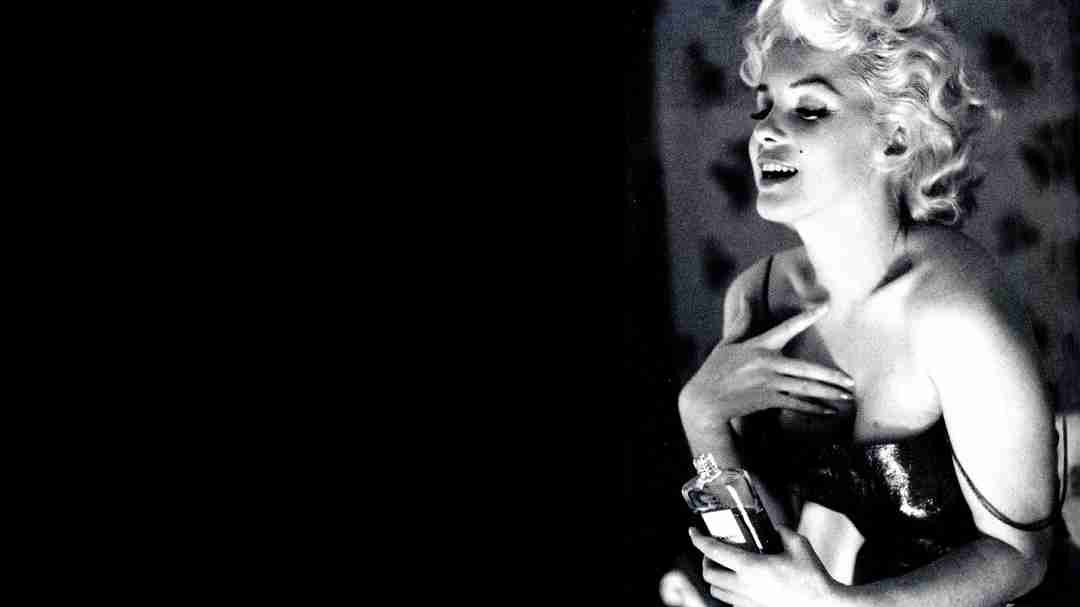
- Marilyn Monroe: The actress (Norma Jean Mortenson) immortalized her appreciation for Chanel No. 5 by answering, when asked what she was wearing on the bed: “Nothing but a few drops of Chanel No. 5.”
- Coco Chanel: The designer, to whom Nº5 gave so much, expressed her love for perfume with some immortal phrases: “Chanel Nº5 is a woman’s perfume with a woman’s scent”, “a woman should wear perfume where she wants to be kissed“, “simplicity is the key to true elegance”, “fashion passes. Only style remains“, “perfume announces the arrival of a woman and lengthens her march”.
- Andy Warhol: The famous pop artist also had words of praise for Chanel No. 5. He even created a series of portraits of the iconic perfume bottle as part of his artwork.
- Brad Pitt: He starred in a Chanel No. 5 ad in 2012, where he praised the fragrance with the short and blunt phrase, ” it’s a woman’s perfume”thus contributing to the timeless and unisex image of the perfume.
- Catherine Deneuve: The renowned French actress has also expressed her love for Chanel No. 5 on several occasions, adding her touch of elegance to the list of admirers.

Conclusion
How a fragrance led Gabrielle Chanel to be the fashion star. It could well be said so, although without detracting one iota from the merit of Coco Chanel, the history of Chanel Nº5 is fascinating. It is the best-selling perfume in history, has turned 100 years old and continues to be at the top of fragrances. There is no doubt that we are talking about something sensational, unique and revealing.
Some may think not, but I believe that the history of feminism began with Chanel No. 5. The link between women and freedom. The most elegant way to gain independence: a woman’s perfume.
Why, in a world full of fragrances, with a multitude of options, did Chanel Nº5 triumph and triumph? That is the question.
In my opinion, it surprised with an abstract fragrance that was personal enough to be immediately adopted as a synonym for elegance and character. Coco Chanel knew how to give it more value, making it exclusive, desired, essential. It is also worth mentioning the crusade that Coco Chanel undertook in the world of fashion, making women the protagonist, demonstrating that style has no fashions. Then, Chanel Nº5 became part of a style, eluding fashion and remaining in time. Not even crises or marketing errors have been able to defeat this fragrance leader. Time passes and Chanel Nº5 remains.
What do you think? (You can leave a comment at the bottom of this article.)
Information, bibliography and media:
We use our own and other means with the availability allowed by current legislation and free access to the World Wide Web. (See Terms & Conditions)
Texts: Owned, based on information from Alqvimia, Business Insider, Chanel, Colvin, Esenzzia, Farina 1709, Fragantic, Perfume Academy Foundation, Le Secret du Marais, Perfume’s Club, Perfume Man, Soki London, Vanity Fair, Via U, Wikiparfum, Wikipedia.
Images: Hola, Chanel, Sandir, Via U, Wikimedia Commons, Wikipedia.
Videos: s/n.