





Bonsai, the art of waiting
Earn 10.00 Reward Points by commenting the blog post
Introduction
Bonsai, the art of waiting, as you may have discovered, is an article about bonsai and time. It takes time to get a good bonsai. And since man does not live by bread alone, a great bonsai also requires a good dose of creativity, means and work.
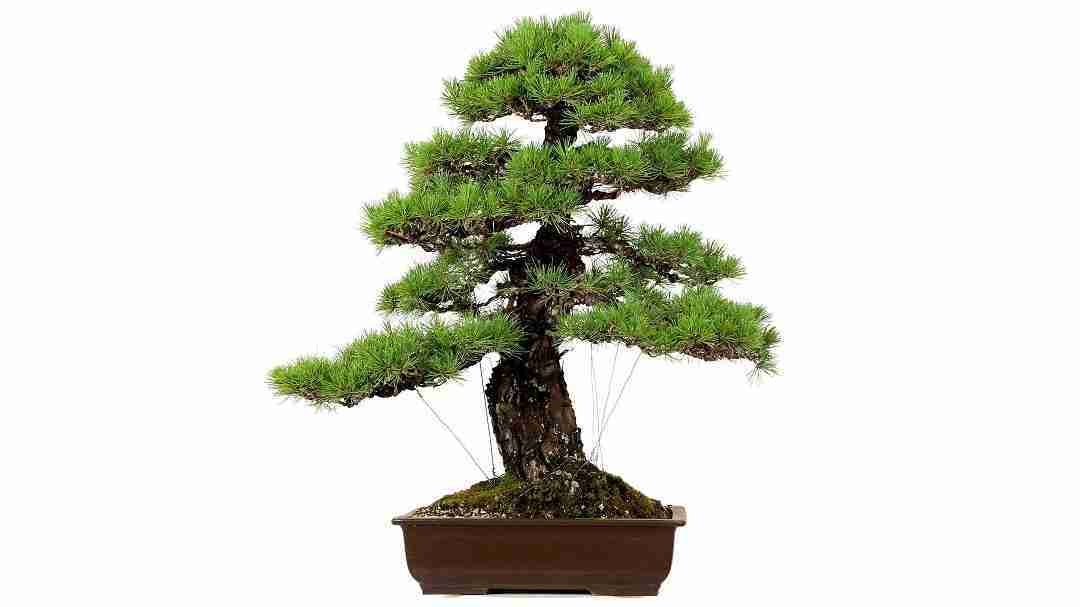
Bonsai, this curious word of Japanese origin, literally means: tree in flat pot (bon = “tray” + sai = “tree”).
It also includes the art of cultivating trees and plants (usually shrubs), controlling their size so that they remain much smaller than their natural size, using techniques (transplanting, pruning, wiring, pinching, etc.) and modelling their shape to recreate a scene of nature.
It is important to point out the importance of the pot, since bonsai is understood as the combination of tree and pot.

Origin of bonsai
Originating in ancient China, the cultivation of potted trees is confirmed in the Han Dynasty (206 BC / 220 AD). These trees were regarded as symbols of wealth and prestige, and stood out in the gardens of the nobility.
Japanese Buddhist monks later brought the bonsai technique to Japan, where it became a highly prized art, becoming a tool for meditation and nature observation.
During the Heian era (794/1185), the aristocracy began growing potted trees in their gardens. In this period, bonsai became a refined art and techniques and styles were developed.
The bonsai It was associated with Japanese values such as simplicity, harmony and balance. It was considered an art form about the nature and essence of life.

Development of the art of bonsai
Thanks to the spread of Japanese culture and the growth of gardening, the bonsai spread into the 20th century. There are numerous associations and clubs dedicated to the study and practice of bonsai all over the world.
International exhibitions and competitions are held where fans show their creations and share the passion for this art. Today, bonsai has gone from a hobby to a unique and beautiful form of artistic expression.
The world of bonsai today
The bonsai world is currently in good health . In 2022, the global bonsai market volume was $8,247.23 million and a figure of $24,590 million is expected by 2031. With these figures, and with the (unprecedented) success during the global COVID-19 pandemic, we can expect, with guarantees, an annual growth of 11% through the forecast year.
Increasing ecological sense over nature, popularity , and minimal need for resources are all factors driving the bonsai market.
Growing bonsai is an excellent example of Japanese respect for living beings and a way of expressing their sense of beauty, with a taste of tradition, love of nature and culture of detail that surprises. It’s much more complicated than growing flowers in pots and requires a far greater physical and emotional commitment.
Nowadays, the number of competitions, exhibitions and fans of the art of bonsai is increasing day by day. Many people enjoy the challenge of growing it because it requires patience, skill , and care. These trees are an addiction and can be an exceptional gift.
Whether you’re a beginner or an expert gardener, the art of bonsai is a hobby to explore. If you’re looking for something new and exciting to add to the style of your garden or home, why not give bonsai a try?
What is a Bonsai?
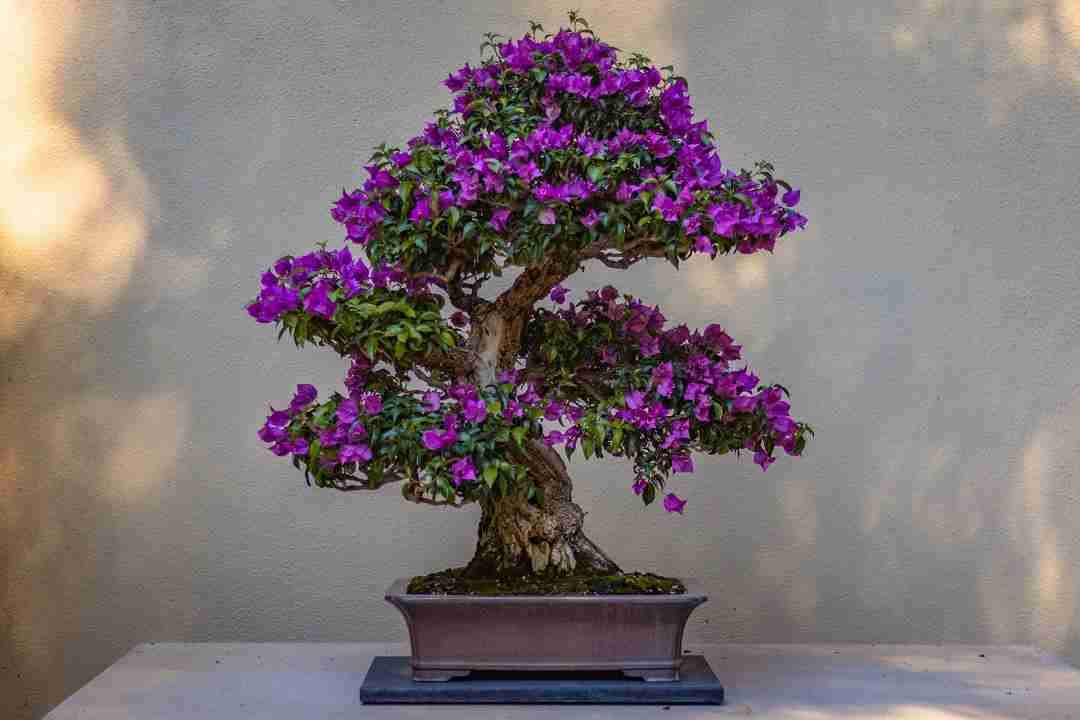
According to the Dictionary of the Royal Academy, bonsai is an “ornamental plant subjected to a cultivation technique that prevents its growth by cutting roots and pruning branches”. In short, a living being that grows and changes over time.
A bonsai is a living work of art, with a very intense emotional component of its own . Bonsai changes day by day and with its changes allows us to contemplate nature itself.
A bonsai requires some requirements to be considered as such. It must be a woody tree, with a certain and proportionate thickness. It must present an appearance of old age that ratifies its years of cultivation in pots and must also present a resemblance to any of its species siblings.
Basic Principles of Bonsai Art
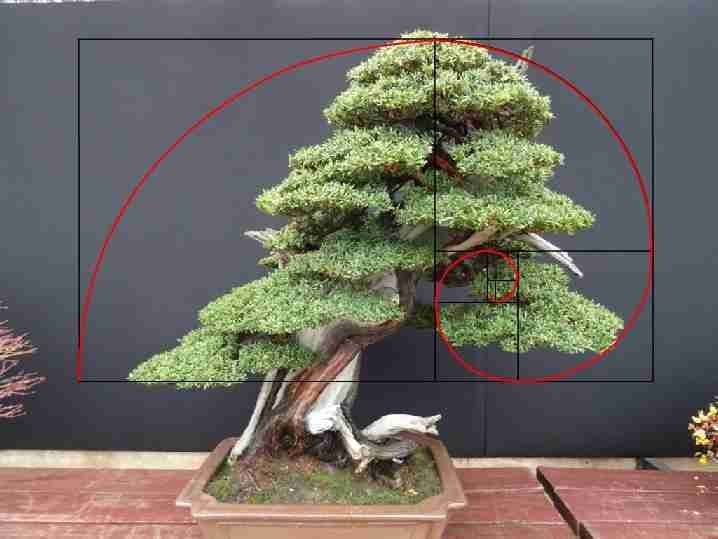
Essentially, a bonsai is, through the use of techniques and respect for rules, the achievement of a tree of much smaller size than the one it presents in nature, maintaining the same appearance, nature and proportions.
This technique is governed by mathematical, scientific and technical rules, as well as others derived from Zen philosophy. Among other rules are the Fibonacci sequence and the golden spiral, as well as others that are very explained and referenced even in tables. There are also rules and dimensions for planters and display tables.
Also noteworthy, within the art of bonsai, is the process of observation and contemplation, since it is a true meditation exercise, whose rules are transmitted between generations.

Philosophy and spirit of bonsai
The practice of bonsai in Eastern culture is closely linked to the philosophy and spirit of its civilizations. Japanese culture presents three words (virtues) to describe the philosophical aspect of bonsai practice:
- Wabi: Expresses the feelings of the cloistered monks, alluding to obedience, discipline, austerity, humility, contemplation, mysticism, silence, analysis and spirit.
- Sabi: It is absolute solitude, emptiness, nothingness, knowing how to be with oneself, entropy and patience. This feeling is conveyed by old trees, twisted by the years on the edge of a precipice. Trees with character that cling to life and fight against adverse nature.
- Shibui: It is supreme elegance, naturalness, beauty in its purest form.
There is a fourth virtue: Yugen, which refers to the strange, the uncertain , and the inexplicable.
The practice of bonsai is not only the creation, through a technique, of an aesthetic, with knowledge and harmony. It is also a spiritual quest, a feeling, a state of mind, a way of being and being, a way of finding oneself.
But also, the practice of bonsai reinforces virtues such as: patience, humility, discipline, observation and meditation. In addition, in concomitance with the Zen concept, it obtains the spiritual and aesthetic values inspired by this philosophy.
Types of Bonsai
Bonsai, even though they are small, are “trees like their big brothers”. This is important because, with a good understanding of this axiom, we will have no problem locating our bonsai. This also avoids classifying bonsai as either indoor or outdoor.
Knowing then that all trees are “outdoor”, bonsai should live where they receive sun, air, rainwater and above all humidity at night. Therefore, a terrace, a window or our garden will be ideal locations for bonsai.
Extreme temperatures in summer and frost in winter can affect our bonsai. On these occasions, it is better to protect them, even if, once the “danger” has passed, they are put back in their place.
Once the “pitfall” of indoor bonsai vs outdoor bonsai has been overcome, we can classify bonsai in different ways:
Because of its height
We refer only to the height in cms. that reaches the bonsai. According to this criterion, bonsai are called:
- Shito or Keshitsubu: Not exceeding 5 cms. (The smallest, very few)
- Mame: From 1 to 15 cms. (“bonsai that fits in the palm of your hand”)
- Shohin: Between 15 and 25 cms. (The most common, ideal to start with)
- Komono or Kotate Mochi: Between 20 and 30 cms. (Very common)
- Bonsai Chumono: from 45 to 90 cms. (The typical collector’s bonsai)
- Omono: Maximum 130 cms. (The King of Bonsai)
- Hachy Uye: More than 130 cms. (There are some doubts about whether it should be considered a bonsai. In Japan they are known as bonsai modeling trees)
Because of his style
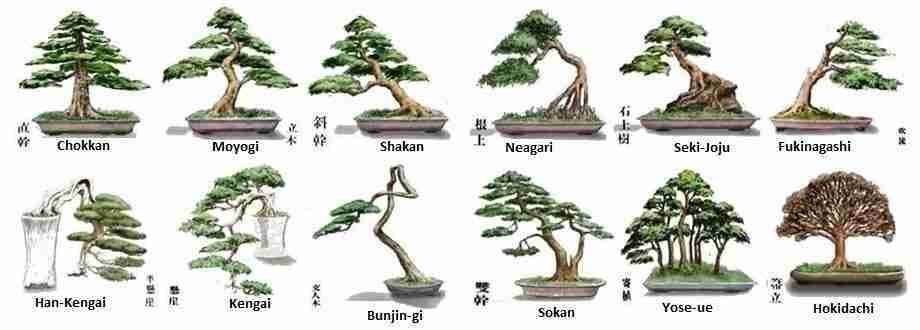
The styles in which we classify bonsai are nothing more than extrapolations and abstractions of nature’s authentic trees. Reproduced to scale, bonsai trees are the product of the inspiration we get from the contemplation of “larger” specimens.
Depending on the shape and characteristics of the trunk we are going to prepare, our bonsai will adopt one of the following styles:
Chokkan
In this style of bonsai, the trunk is completely straight, vertical, formal, conical (wider at the base and decreases to the top) and without curves. The branches are arranged in groups of three, counterbalanced along the trunk.
This style aims to reproduce trees that grow on flat ground, with enough separation between them (the branches grow on all sides of the trunk), to be able to grow straight and without curves. It is a style suitable for conifers. (Pictured: Cypress)

Moyogi
The Casual Vertical Style or Moyogi is the most common in nature. The trunk meanders upwards and the branches follow a triad pattern. The structure of the branches is the same as in the Chokkan style, the first branches thicker and thinner towards the apex.
Ideally, the branches should grow from the outside of the curves of the trunk and never from the inside, as this would create a strange view. (Pictured: Japanese black pine)

Shakan
It is the inclined style of bonsai (the trunk grows at an angle of 60º to 80º). Due to the action of the wind in only one direction, the trunks of the trees are tilted. Also the trees that are in the shade seek the light and also grow leaning.
Nature causes the roots on the side where the tree leans to be less developed. Also, the first branch usually grows on the opposite side of the incline (for balance). The trunk should be much thicker at the base. (Pictured: Juniper)

Neagari
The Neagari style presents the bonsai with bare roots. As the great Pablo Neruda said in his 100 Questions: Why do trees hide the splendor of their roots? Surely, the Neagari style is much earlier than the phrase, but the phrase in relation to this style of bonsai is illustrative.
It is a laborious and slow cultivation, in which the roots are worked and placed and over time they are discovered until they become part of the silhouette. It is quite difficult to locate specimens in the wild with exposed roots. (Pictured: apple tree).

Seki-Joju
In rocky soils, tree roots seek fertile soil in gaps and fissures. The Seki-joju bonsai or Style hugging a rock It reproduces this adverse situation. The roots will be bare and covered with bark for protection.
It is a very difficult style to achieve, being highly appreciated since it requires many years to get the rock perfectly trapped by the roots. Species commonly used in this style are maples. (Pictured: azalea-rhododendron)

Fukinagashi
The Fukinagashi bonsai or the Windswept Style It represents trees that have grown windswept in the same direction. In its struggle to survive, the trunk of the tree defends itself from the action of the wind, but ends up giving up the direction of growth in favor of the wind.
The bonsai is oriented in its entirety, both its trunk and its branches (some of them fleshless), in the same direction. giving the feeling that the wind is still moving it. (Pictured: Hinoki Cypress)

Kengai
The Kengai (waterfall) bonsai represent trees growing between the rocks of a steep mountain. Due to the weight, the branches tend to droop, straining the trunk and curving it. Branches should be structured in layers to allow light to enter.
For a good presentation, it requires a deeper pot to balance the whole (and the weight).
This style is very demanding, due, among other details, to working “against nature” and gradually orienting the trunk downwards. To be considered a full Kengai style, the top of the tree (in this case the bottom) must extend beyond the bottom of the pot. (Pictured: Junipero)

Han Kengai
The Han-Kengai bonsai (semi-waterfall style), evokes the trees that grow in Very steep slopes next to the cliffs or on the bank of a very steep river, in very extreme and aggressive environmental conditions. The trunk starts a little upwards, but deflects its growth laterally.
It differs from the waterfall style (Kengai) Because the end of the trunk doesn’t reach the bottom of the pot. (Pictured: Japanese White Pine)

Bunjin-gi
The Bunjin-gi style (or Literati style) evokes trees that have to fight for their survival. In the reality of nature, these types of trees are found in places where the competition with other plants is so great, that the only way to survive is to grow on top of them all.
The trunk snakes upwards and is bare because only the upper part receives enough sunlight. To make it look even more resistant, Bonsai Literati has the bark removed from some dry branches (called Jin) or a part of the trunk (called Shari).
Small, round pots often enhance the image of this growing style. (Pictured: Juniper)

Sokan
In nature, a tree with a double trunk is not very uncommon. In the Sokan Bonsai style (or double trunk style) the two trunks are joined at the base. Although not very popular, this style of bonsai is easy to come by.
It consists of a vigorous and developed trunk that grows almost vertically, along with a smaller, slender one that leans out a bit. Both have a similar shape but at a different scale (father and son) and end up giving the feeling of a single cup.
This style, which comes from Japan, proposes some “proportional” differences: the larger trunk should be thicker, taller and give the sensation of protecting the smaller one. The logs should be spaced further and further apart in height. The “father” should remain almost vertical , while the “son” will present a certain inclination suggesting the search for light. (Pictured: Red redwood)

Yose-ue
The Yose-Ue bonsai or Forest Style It evokes a group of trees seen from afar. The ensemble is prepared with independent trees, usually of the same species, being a much admired and popular style.
The Yose-ue style is formed with an odd number of specimens and with a certain hierarchy between them, placing the largest trees in front, giving a sense of depth. Very flat and wide pots (not glazed) are used, as well as slate slabs.
The substrate is very important, it is usually composed of 50% akadama, 25% organic matter and 25% fine volcanic gravel . Visually, it’s a spectacular style and, although it requires quite a bit of work, it’s recommended even for newcomers. (Pictured: cypress trees)

Hokidachi
Hokidachi bonsai (or broom style, or umbrella) simulates trees with a very dense, rounded ( hemispherical) crown. It is a complex style that is used with leafy, deciduous trees, allowing for dense foliage in spring and spectacular branching in autumn.
In nature, this type of tree grows in optimal environmental conditions, with little wind and no shortage of light and water. The trunk should be thick, sturdy and straight (not conical), the branches should be thin, forming a semi-sphere. Pots should be wide, round, and shallow.
It is a difficult style to achieve and requires taking care of the bonsai from a very young age. It is very suitable for species such as elms.


By its species
There are many species of trees, shrubs , and flowers on our planet. Within the bonsai world, theoretically, we could cultivate bonsai if not all of them, some of the existing species. The most common ones that we have found in the production of this article are:
(We would like to express special thanks to the Urban Bonsai team who have kindly given us the images of this classification)
Deciduous
The term deciduous comes to mean “falling at maturity” or “with a tendency to fall”. Related to trees and shrubs, they shed leaves seasonally, usually in autumn. They can be: Planifolios, latifolios (flat, broad-leaved trees). Trees or shrubs considered leafy ( hardwood forest).


Evergreen
An evergreen tree is a plant which has foliage that remains green and functional for more than one season. The term evergreen is also applied to species that retain their leaves only in warm climates, and contrasts with plants deciduous, which completely lose their foliage during the winter or dry season.


Conifers
The Conifers (Pinidae, Coniferophyta and other families) are the most important group of gymnosperms. They are dominant in many forests (the coniferous forests). Some examples of conifers are: pines, firs, spruces, cypresses, cedars, redwoods, junipers, junipers, junipers, larch, yews and araucarias.


Fruit trees and flowers
A very attractive type of bonsai is the one that is made on fruit trees and flowers. Not without particularities, these crops have a certain added complexity to the bonsai technique.
Pomegranate, apple, orange, lemon and other fruit trees are capable of being reproduced with the bonsai technique. On the floral side, azaleas, camellias, gardenias and other flowers will give an intoxicating appearance to creations when in bloom.


Cultivation & Care
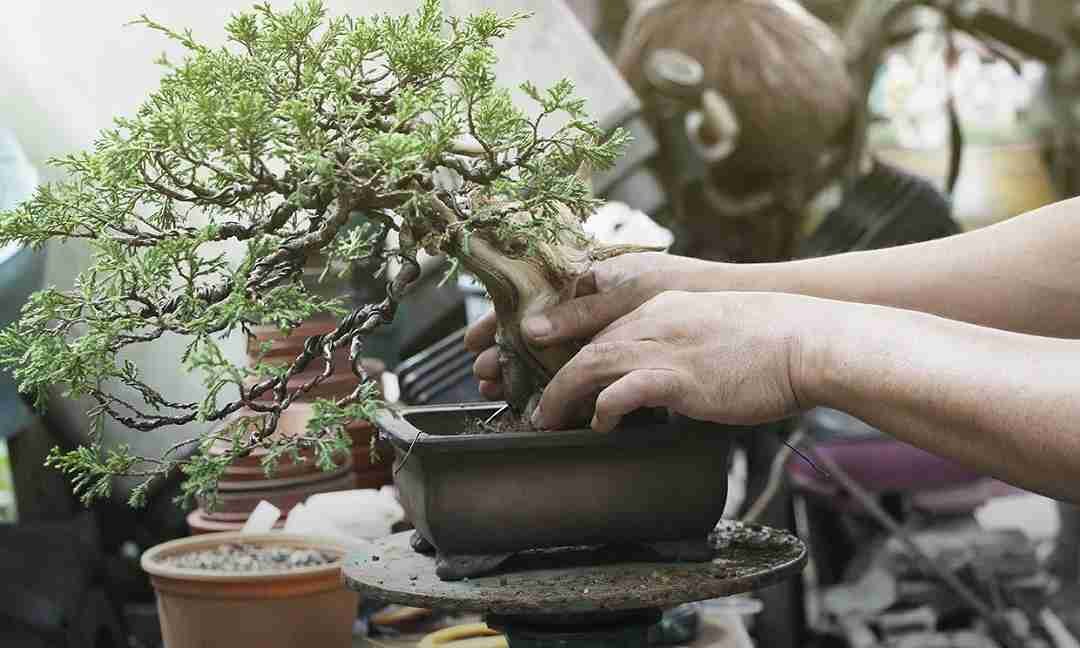
Although it is difficult to grow trees in containers, as their roots, nutrient uptake, and moisture are limited, the bonsai technique is not “impossible.” As long as we have the knowledge to grow potted trees, it will be easy to do it in the right way.
It is possible to create a bonsai from any species of tree or woody shrub that produces true branches and make it remain small by growing it in pots, pruning the frond and pruning its roots. We are going to detail the main elements of cultivation and care of these small trees:
Material Sources
It all starts with a base specimen to turn into bonsai. It is seldom used from seed, since, in order to obtain an antique appearance in a “reasonable” time, a plant that already has growth or maturity is preferred. We can choose a specimen for its age or for its aesthetics in the wild or a slender trunk in a nursery, or also for other reasons.
Propagation
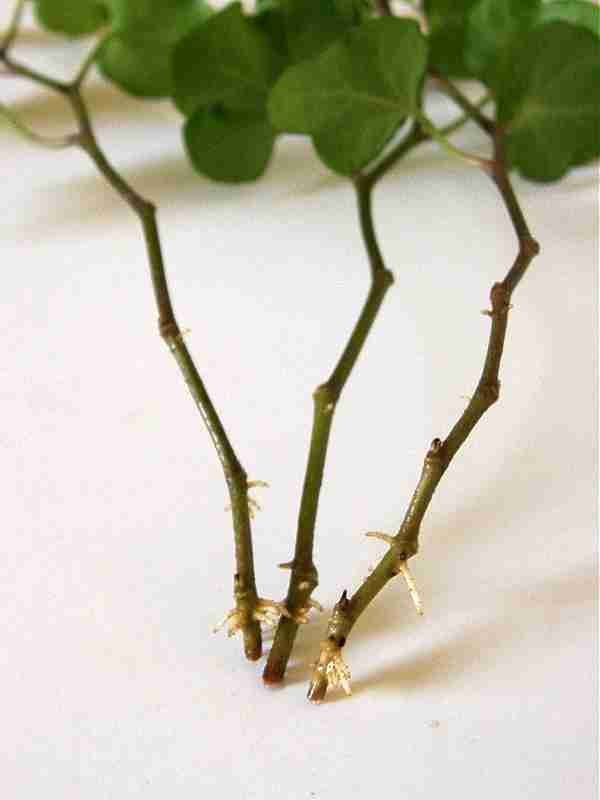
If, from the outset, we do not contemplate the initiation of a bonsai by seeds (sexual reproduction), then we will direct the propagation (obtaining a source of matter) towards asexual reproduction by means of plant tissues.
Only a few techniques can quickly produce a relatively mature trunk with well-placed branches:
– Cutting: A portion of a plant is cut off and placed in appropriate soil for it to develop roots.
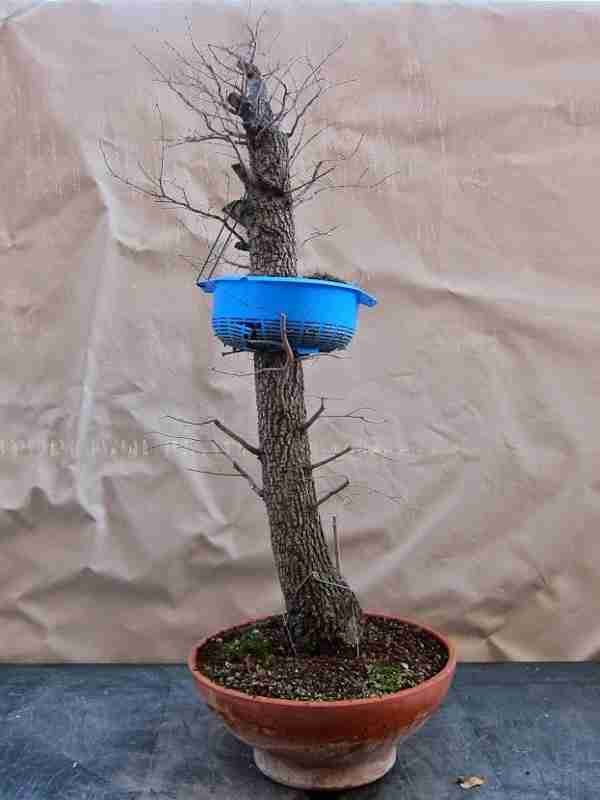
– Layering: A technique that promotes root development in a part of the plant (e.g., a branch), while it is still part of the parent plant. Once the branch takes root, it is cut off from its mother and grown as a stand-alone plant.
Commercial Horticulture
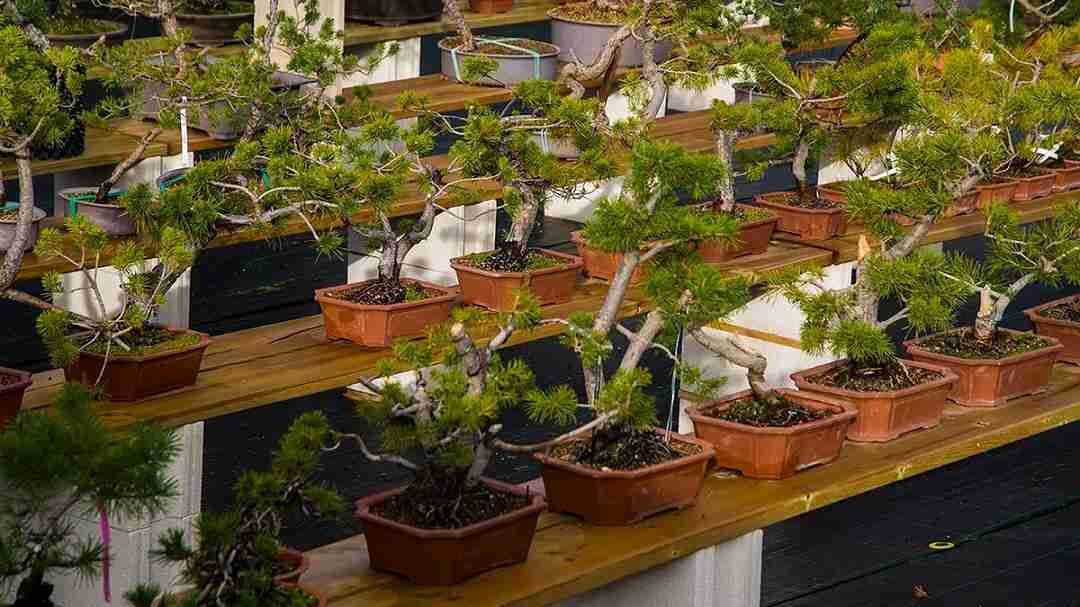
The commercial bonsai horticulturist usually sells mature specimens that exhibit bonsai aesthetic characteristics. They are developed before the sale, and the trees are ready to be displayed.
On the other hand, nurseries grow non-bonsai plants until they reach an appropriate size. They offer young but viable specimens in pots with enough substrate to survive for a season or two before transplanting.
Gathering
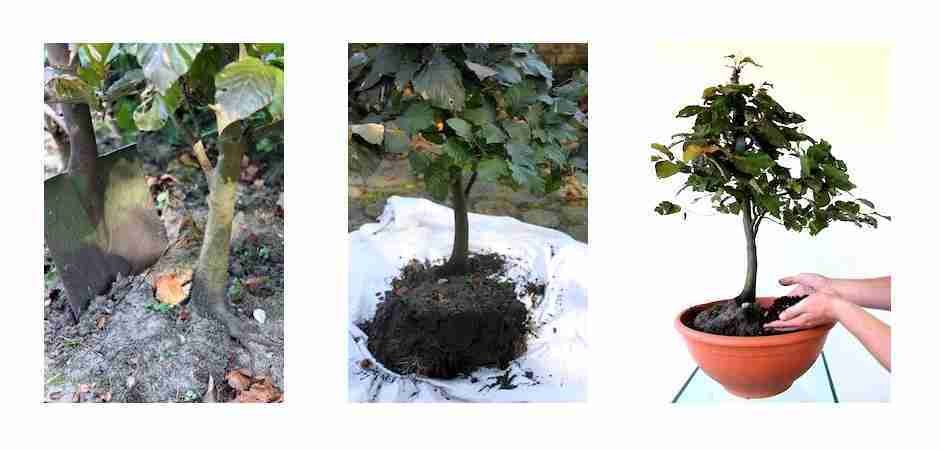
The Bonsai harvesting is all about finding material from Bonsai in the wild, remove it from its position and replant it in a container for development as a bonsai. One benefit is aesthetic, as specimens can be mature, and have more interesting markings and shapes of their age than nursery specimens.
Another benefit can be the coste, although, sometimes the extraction permit and acclimatization of the specimen to its container can be a problem. This way of obtaining bonsai material is called Yamadori.
Stylized
Bonsai are carefully manipulated and stylized to maintain miniaturization, appear antique, and achieve aesthetic goals. To carry out this styling, several techniques are used, such as pruning, pinching, bending of branches and others.
Leaf Removal
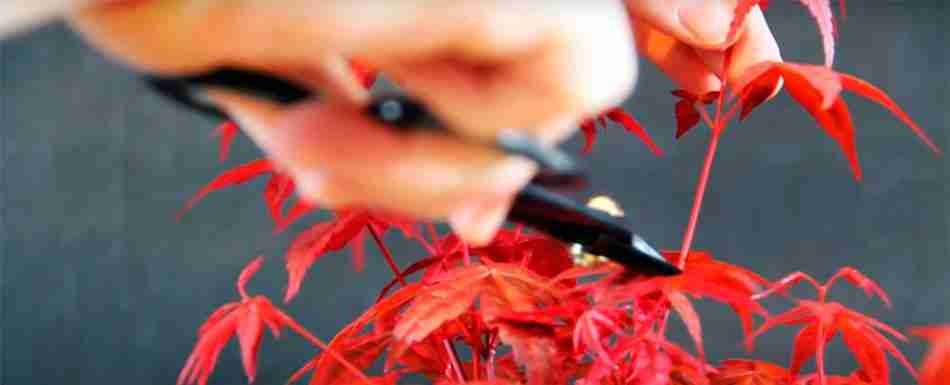
It consists of the selective removal of leaves (for deciduous trees) or needles (for conifers) from bonsai branches. This technique manages to stylize the tree in a natural way, removing leaves and needles that make it difficult to see branches and bark (e.g., in conifers, needles are preferred over branches).
Pruning
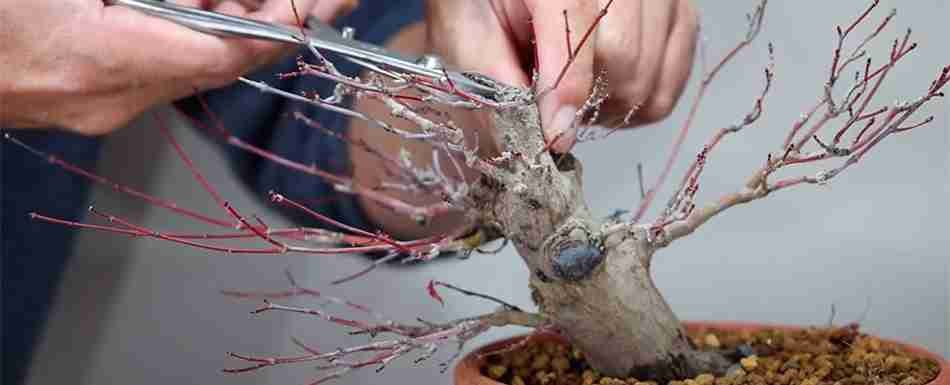
Pruning is often the first step in transforming a specimen into a bonsai candidate. For a more compact tree , the top of the trunk will be pruned. Large and small branches that do not fit the designer’s style will also be pruned. Subsequent pruning will not be as severe.
Pruning should be done carefully as it could weaken or kill the bonsai, but it is necessary to prevent uncontrolled growth of branches and leaves.
Wire
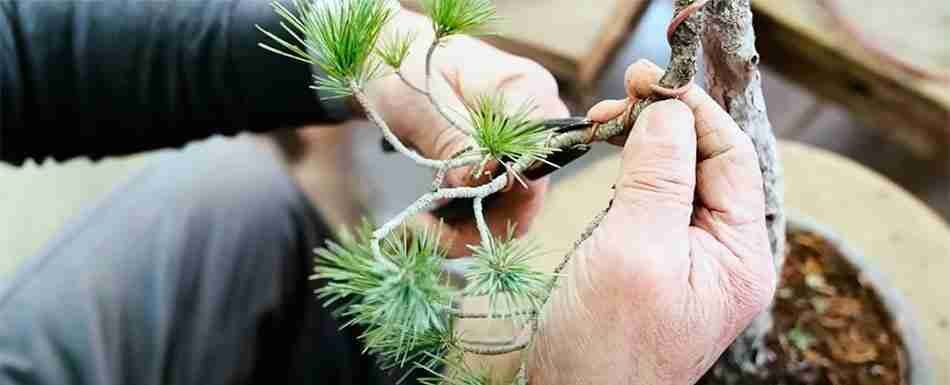
By wrapping the branches with wire (copper or aluminum) we can establish the general shape of our bonsai. You can also make adjustments to the arrangement of branches and leaves.
Wire on new branches or shoots holds them in the desired position until they lignify (turn into wood). Normally this process lasts 6 to 9 months or a growing season in deciduous trees, but can last several years in conifers. These wires can also be used by putting stress on the branch.
Clamps
In large specimens or with stiffer wood, bonsai designers often use mechanical devices to shape trunks and branches. The most commonly used are screw clamps, with which they can straighten or bend a section of bonsai with a force much higher than that of wire.
To prevent damage to the tree, they adjust gradually over time and thus produce changes over months or years.
Grafts
With this technique, new material (shoot, branch, or root) is added to a prepared area under the bark of the tree.
There are some species (Japanese Red Maple and Japanese Black Pine) that do not do well on their root root. In these cases, their trunks are often grafted onto a more resilient set of roots. On the other hand, the grafting technique allows the designer to add new branches (or roots) to complete the design of a bonsai.
Leaf removal
By partially or totally removing leaves during the growing season, we can miniaturize a deciduous tree in the short term. Not all species survive this technique. To do this, the petiole(the thin stem that connects the leaf to the branch) must be cut from each leaf.
The petioles dry out and either fall off, or we remove them manually. Trees respond by producing a new layer of leaves, usually much smaller. These leaves will contribute to the miniaturization aesthetic of the bonsai.
This change in leaf size is not permanent and they will return to their normal size the following spring. Leaf stripping weakens the tree and should not be done two years in a row.


Dead wood
Jin is the term used when the bark is removed from an entire branch to create the impression of a section of dead wood. Shari is the process of removing bark from the trunk to simulate natural wounds caused by a broken branch or the impact of lightning.
Also, chemicals can be used to whiten and preserve dead wood to produce scars or highlight the grain .
Care
Trees grown using the bonsai technique require specialized care. Wild tree species have very large roots, and their branches and leaves (or needles) can grow to large dimensions.
However, in a bonsai container, the roots grow much less than 1 m. And the trees rarely reach a meter in height. These differences in size affect ripening, transpiration, nutrition, pest resistance and other biological aspects, which is why the bonsai technique requires specific care.
Environment & Location
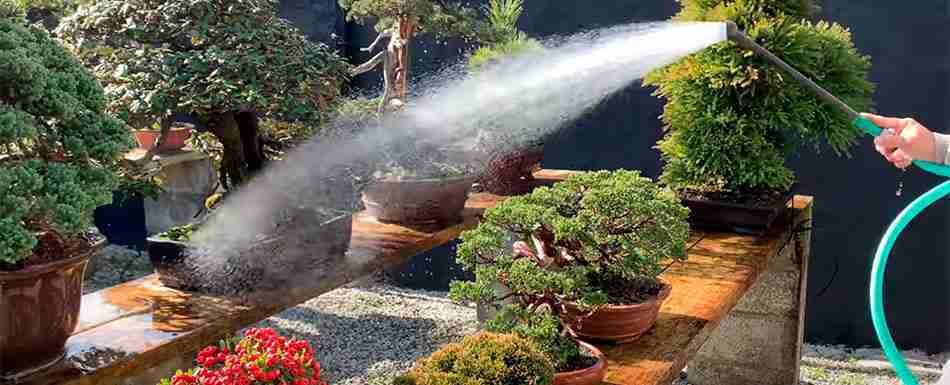
Normally, most bonsai species are trees and shrubs that must grow outdoors. They require temperature, humidity , and natural light conditions similar to the conditions of their native climate.
In order for a specimen outside its habitat to survive and develop, it needs adequate irrigation, protection from excessive sun or wind and in many cases protection in the winter.
The horticulturist controls the following variables:
– Watering: The plant should be watered as often as appropriate to its species.
– Soil volume: If a bonsai is given a large volume of soil, it is invited to develop its roots and will therefore grow. The horticulturist will need to adjust this volume of soil in order to control the growth of the bonsai.
– Temperature: bonsai roots, having less substrate thickness than “wild” trees, they are more affected by the temperature changes. In trees in climates warmer than the local climate, a solution may be to partially bury the pot or cover the base of the tree with an insulating layer of compost or leaves. In more delicate cases, it is possible to raise the temperature using greenhouses.
– Natural light: Bonsai trees require a significant amount of natural light, and during the growth stage, directly. There are some “shade-tolerant” species that don’t develop properly if they receive too much natural light. The horticulturist must meet these requirements and place the bonsai in their optimal position.
Repotted in a pot
Bonsai trees are replanted in their pots and their roots are pruned at intervals that depend on the vigor and age of each tree. In deciduous trees, this operation is performed when the tree begins to emerge from its dormant period (usually in early spring).
Replanting and pruning the roots promotes the growth of new radicles, allowing moisture to be absorbed more efficiently. This replanting is done less frequently when the bonsai is a mature specimen.
Soil & Fertilization
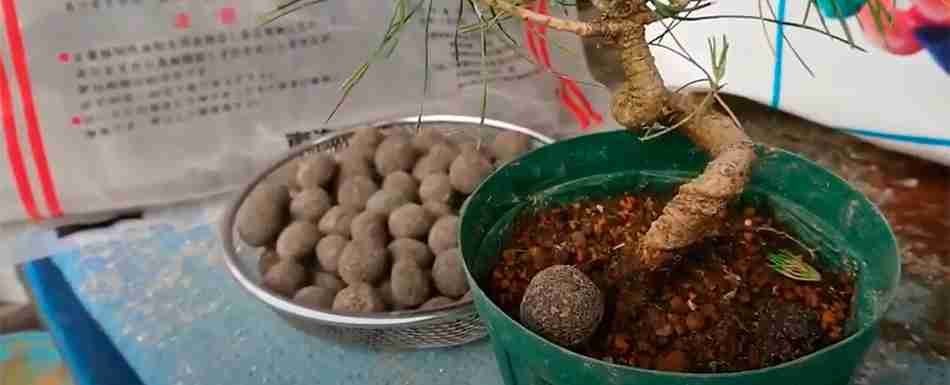
Typically, the substrate of a bonsai is a mixture of loose, fast-draining components (coarse sand or gravel, baked clay pellets, expanded shale , combined with organic material such as peat moss or bark).
Inorganic materials provide root support, while organic material retains moisture and releases nutrients as it decomposes. In Japan , volcanic clays (akadama and kanuma) are widely used.
The use of fertilizers is controversial, with supporters and detractors. When used, the rule of thumb is “rarely and often,” using a diluted liquid solution or dry fertilizer during the growing season. Washing or washing irrigation removes fertiliser residues from the soil, preventing possible toxic accumulation.
Diseases & Pests
Pests that can affect bonsai trees include insects (on the surface or within the substrate), and infections, usually fungi. These are the same diseases and pests that can affect “wild” specimens.
Some pests are species-specific and use the same materials and techniques as on “large” plants with some variations to treat them. Usually the treatment is based on diluted chemical pesticides.
Equipment
When it comes to growing a bonsai , we will need some elements and accessories to carry out our work well. There is a wide variety of tools and accessories for bonsai cultivation. In this article we are going to summarize the most important ones for cultivation in the first 2 or 3 years.
Tools & Accessories
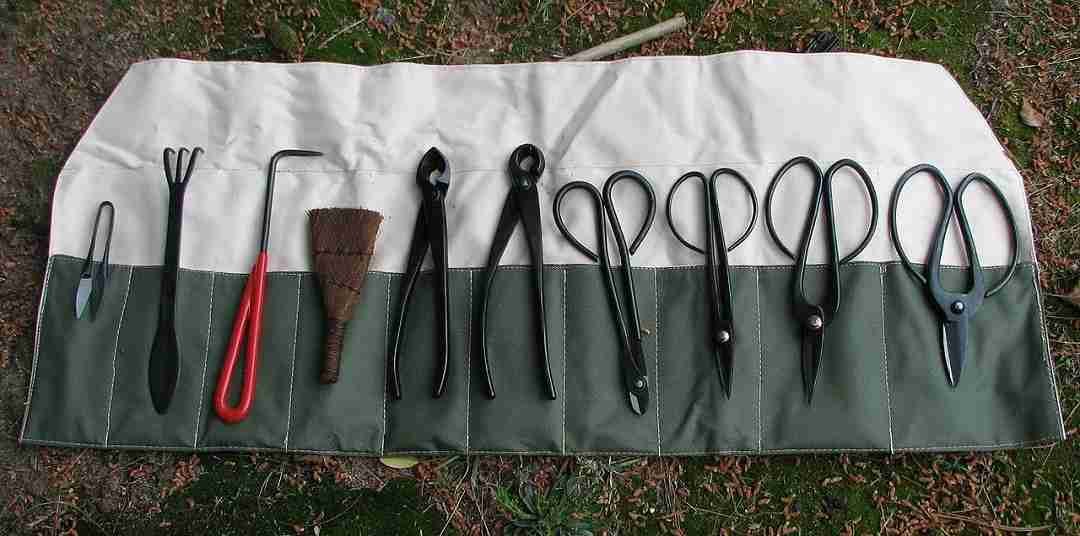
For bonsai cultivation, there are a variety of elements that are essential to achieve our goal of success. Depending on the activity we do with our bonsai, we will need:
– Watering: We will need, on a daily basis, a watering can (ideal for outdoor bonsai) and a water pear (better for indoor use and in small bonsai).
– Fertilizer: Depending on the species in cultivation, we must get advice to get the best fertilizer (Biogold, Hanagokoro, etc.) for our bonsai and apply it in the growing season.
– Soil: We will have a substrate (Akadama, Kiryuzuna, etc…) with which to carry out transplants. It is essential to get advice on the ideal type of substrate for our specimens.
– Scissors: To prune the crown. You need a pair of bonsai scissors, very sharp, so that the bud is not crushed when cutting.
– Concave pruner: to remove branches. They were designed to cut branches flush with the trunk.
– Wire: The direction of growth of a branch can be corrected by winding bonsai wire on the branch and bending it. There are copper and aluminum wire. The most commonly used thicknesses are 1.5 mm.
– Wire cutter: Round head, so as not to leave traces and wounds when cutting.
– Root hooks and claws: Very useful in the transplanting process as they remove the old soil between roots.
There are other types of utensils: Clamps, Tweezers, Rakes, Paddles, Sprays, etc… that you will discover and use as your bonsai evolves. You’ll also experiment with fertilisers, substrates and different watering techniques.
Pots
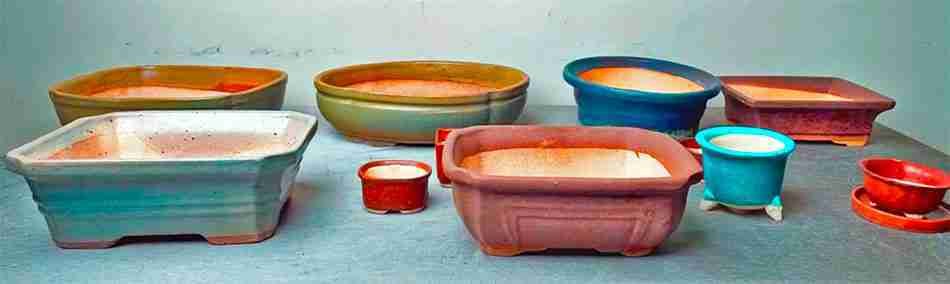
The bonsai pot it is of great importance. In fact, a bonsai is the tree and its pot. Choosing the right pot is necessary for our tree to reach its full potential. To make a good choice, the first thing is to know what stage of growth our specimen is in.
For a prebonsai (or seedling) it is better to think about the size that favors its development, rather than the color or design of the container. Training pots are inexpensive and very interesting for these cases (Tokoname, best made of ceramic, see size chart).
If our specimen is young, in the beginning, it will need a larger pot that favors the development of its roots and therefore its growth. Smaller pots are usually used in more advanced specimens with a defined design.
Depending on the size of the tree , you can choose the size of your pot. For rectangular or oval designs, the length of the pot will be approx. 2/3 of the height of the tree. The width of this type of pot is usually 75% of the length. The depth should be similar to the diameter of the trunk of our tree.
The style with which we are going to design our bonsai also has an impact on the choice of pots. You can check out our style guide to see the pot in the example photo.
You can also choose the color of your pot and determine if it should be glazed or not. As a general rule, for conifers it is best to use unglazed pots. For the rest of the species it is important to take into account the color of the leaves, so that the pot is not identical to the frond and creates some contrast.
For flowering trees, you will have to take into account the color of the bloom and look for some contrast with the pot.
We will also have to assess whether a ceramic or plastic pot is better, if it should be frost resistant and fit our budget.

The Legend of Goshin
Goshin (lit. protector of spirits) It’s a bonsai created by American horticulturist John Y. Naka. It is a small forest composed of eleven Chinese junipers (Juniperus Chinensis Foemina). In 1948 Nakata began cultivating the first of the bonsai. The work reached the shape and appearance of a small forest in 1964.
It was donated to the National Bonsai Foundation in 1984 to be displayed at the National Arboretum in the United States, where it has remained ever since. Each of the trees represents a grandson of Naka.
I have left this bonsai for the end of the article, in a way, to emphasize the effort required to achieve some goals in our life. To get a bonsai like Goshin, it takes a lifetime. Naka dedicated his life to Goshin, and now, many years later, Goshin is still alive and watched by thousands of people. Isn’t that beautiful?
If you would like to leave a comment, ask a question or make a suggestion, you can use the comment box at the bottom of the article. 🙂
Bibliography and media:
We use our own and other means with the availability allowed by current legislation and free access to the World Wide Web. (See Terms & Conditions)
Texts: Owned, based on information from Bonsaialdía.com, Bonsai, living art, Colmenar Bonsai, Bonsai Empire, Urban Bonsai, Bonsaischule Wenddorf, Business Research Insights, Mistral Bonsai, Planet Bonsai, Wikipedia.
Images: Bonsaialdía.com, Bonsai Colmenar, Bonsais.online, Bonsai today, Bonsai Urbano, Bonsaischule Wenddorf, Cuaderno de bitácora , Debonsai, Deus bonsai, El Bonsái sin prisas, Ecología verde , Estudio ARAR , Etsy, Internet Bonsai Club, Las Bonsai, Planeta Bonsai , WBFF, Valle del Guadalorce , Unsplash, Wikimedia Commons (Taufik Hadris, Ragessos, Box )
Videos: s/n.