

Matsuda, the Japanese point of view.

Earn 10.00 Reward Points by commenting the blog post
Introduction
“Matsuda, the Japanese point of view” is an article that was born almost by magic. Many times you receive emails (newsletters) with interesting ideas to start an article. This is the case.
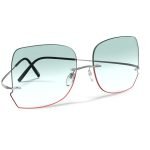
The newsletter I received contained some really attractive sunglasses images. Well, attractive by design, yes, but, more than attractive, they seemed to me small works of art, with delicate engravings, very well resolved joints and very profiled shapes. The frames immediately reminded me of the age-old traditions of Japanese craftsmanship. Those glasses needed to be taken a closer look!
I wasn’t wrong. Matsuda glasses are handmade by artisans with dedication to detail, precision, and perfection.
You may have already discovered that Matsuda is a Japanese company and that it makes glasses, both optical prescription and sunglasses. Matsuda’s design has fused Japanese tradition with Western minimalism, dosing each of them according to the inspiration of each model.
What is indisputable, from minute one, is the extraordinary quality of Matsuda and its ” luxury goods” since its inception, back in 1967.


Mitsuhiro Matsuda, the creator.
Born into his parents’ home in 1934, Matsuda graduated from Waseda University’s school of education (1958). Later he completed a master’s course at Bunka Fashion College (1961), coinciding with Kenzo Takada, Isao Kaneko and Junko Koshino, with whom he became good friends. He designed for the company Sanai. In 1964, together with Takada, he embarked for Paris, where he was influenced by the Art Deco period, the metal industry of the 19th century and the details of the Gothic Cathedrals.
All this inspiration led her to Japan, created in 1967, your fashion company Nicole & Co, Ltd. In 1997, in an interview with the magazine WWD, Matsuda said : “When Kenzo and I went to France 35 years ago, I saw in Elle magazine a model named Nicole. She became my favorite model.” To this day, Nicole & Co, Ltd, is still in the fashion world in Japan. Naotaka Kinomura, President of Nicole Co. Ltd, stated:-“Matsuda’s ever-positive attitude gave us all tremendous power.”
Following the success of his clothing brand, Mitsuhiro launched his eyewear collection. The Matsuda Eyewear line had a huge impact and success, instantly, becoming an icon of 90s pop culture . Films such as Terminator 2, Beetle Juice , and Boomerang used his creations. He later collaborated with photographer Nan Goldin, winning the Art Directors Club of New York Award (1996).
He passed away in 2008. Takada, upon his passing, said: “In Japan, he was a pioneer of ready-to-wear and was appreciated for his talent. It would be hard to find anyone more faithful, honest and sincere.”
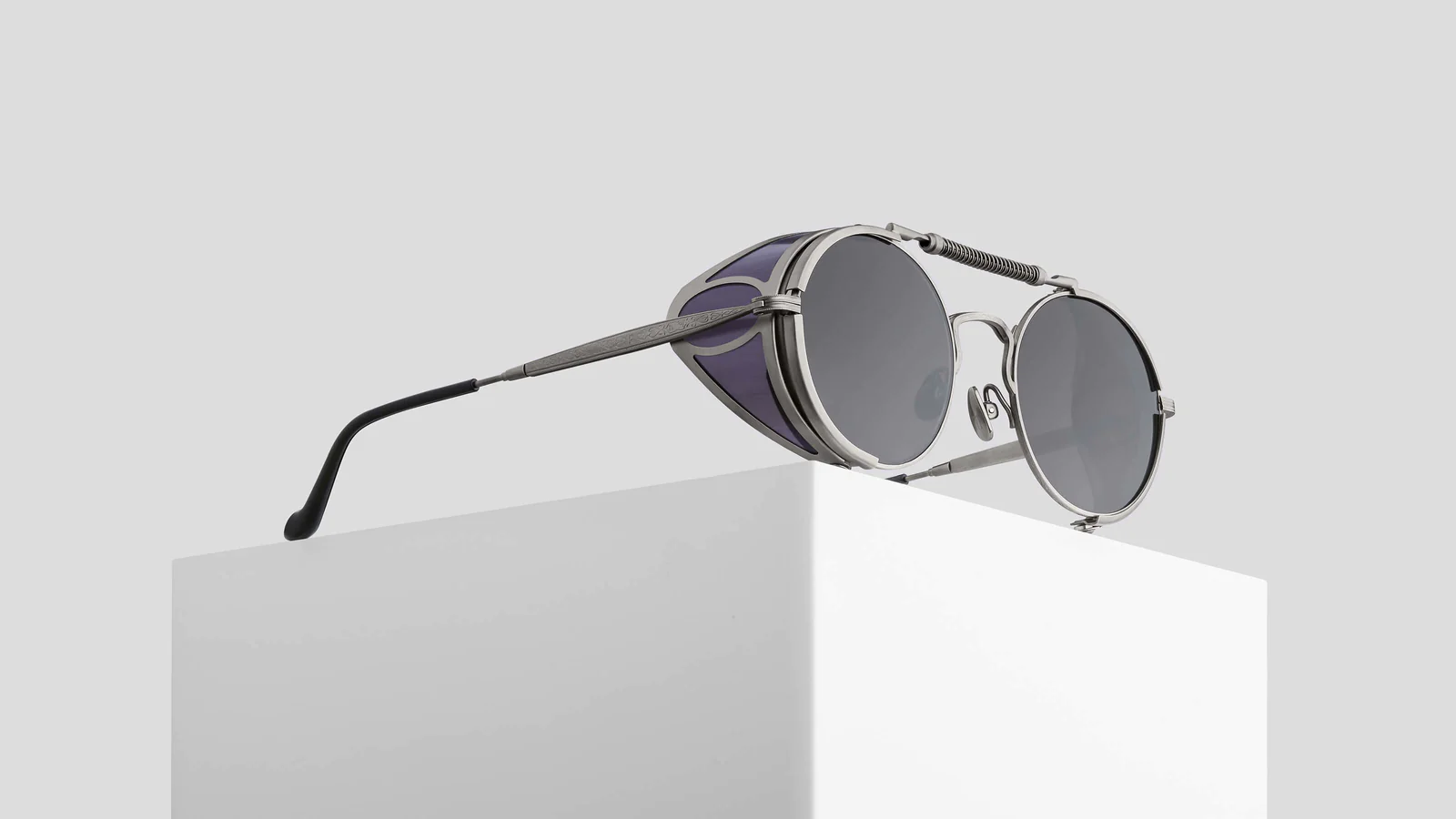
Matsuda Eyewear
The resounding launch success of Matsuda Eyewear had its origins in the playful approach to eyewear, drawing inspiration beyond the industry and breaking new ground: eyewear as an element of fashion. Matsuda has been able to combine his innovative vision with the ancestral values of Japanese craftsmanship. All of Matsuda’s production is done in his own workshop in the city of Sabae (Fukui Prefecture, west of Tokyo).
His first creations are a perfect symbiosis of haute couture and architecture. He combined, with exquisite taste, Gothic architecture, Victorian art, traditional Japanese fashion and even American jazz. Since the brand’s inception, it has had its own identity: cultural heritage, craftsmanship and the future. At its core, it was about bringing art into fashion, turning the ethereal into the eternal.
In the 1990s, the Matsuda brand shut down its operations, leaving thousands of loyal fans orphaned . Even so, many of his items found a niche in the collector’s market, turning some of his glasses into true cult objects. In 2011, James Kisgen (former Sales Director of Cartier) relaunched the legendary brand into the future.
Today, Matsuda is one of the best Japanese eyewear brands, and worldwide it is one of the most original, creating trends and giving each customer unsurpassed quality.
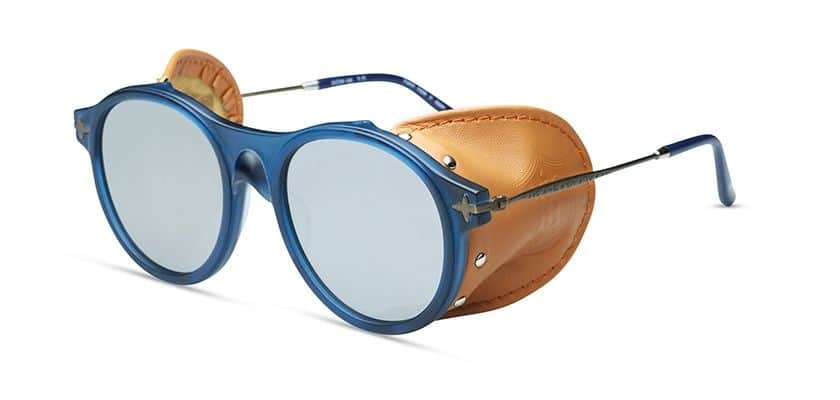
The Matsuda Way
Matsuda designs and makes eyewear without compromise. His designs are characterized by the symbiosis of cultures, risk and innovation. There is a strong Japanese style. It couldn’t be any other way, since it makes up the main branch of Matsuda DNA.
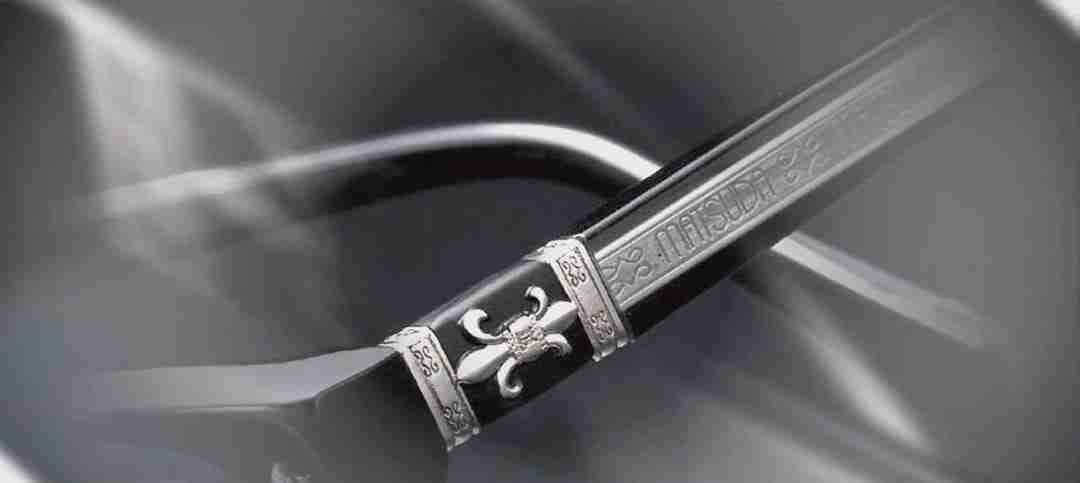
The details are, without a doubt, the reference of the Matsuda style. Each accent, each engraving on the edge, the shape of the bridge, the temples and the contour of the optics, make each pair an invitation to touch and contemplation. Satisfaction is immediate and lasts over time, providing hard-earned emotional well-being.
Each frame Matsuda makes has a certain shape , engravings and a reason. His own personality corresponds to his own features and style. Some of the most commonly used forms of optics by Matsuda are:
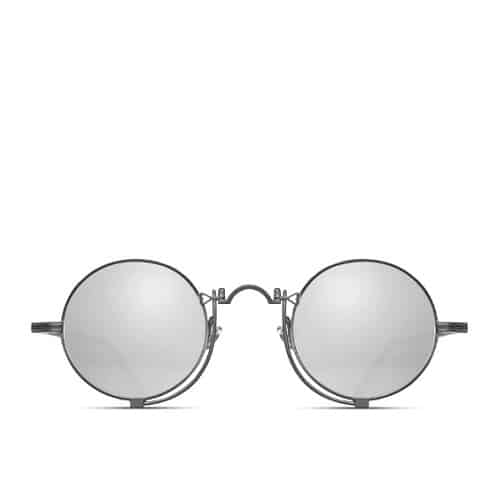
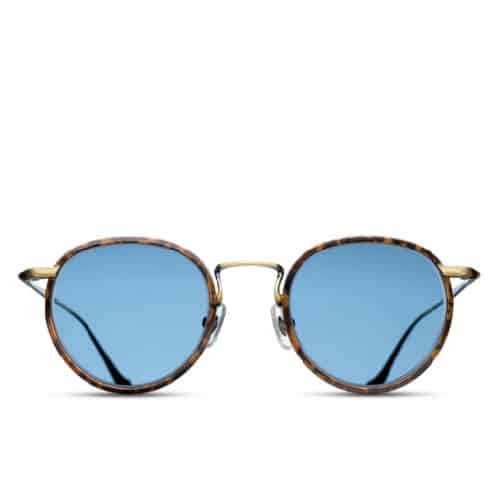
Round optics:
Who doesn’t remember John Lenon and his classic glasses? The round optics are very artistic and give a retro look with a certain mystery. Widely used in the 1960s and 1970s, they are often associated with criteria of intellectuality and thought. A Spanish nobleman, politician and writer ofthe Golden Age , D. Francisco de Quevedo y Villegas y Santibáñez Cevallos wore glasses of this type, popularly known as ” quevedos”
An example of this type of optics is the Matsuda 10601H model
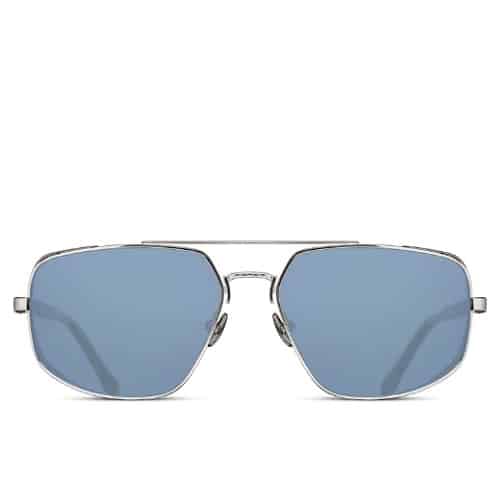
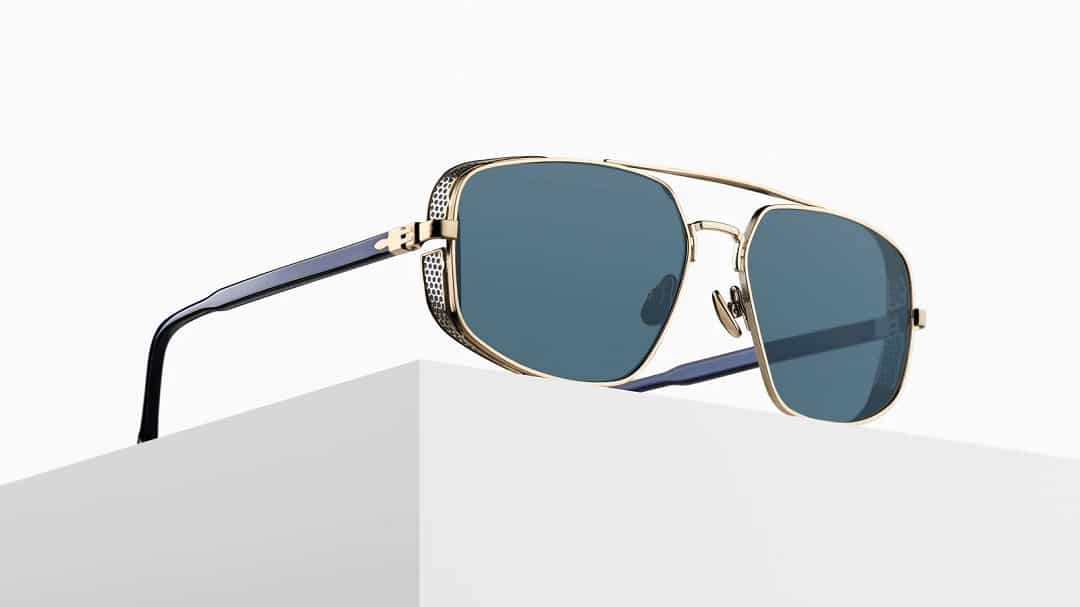
Aviator Optics:
Developed for U.S. fighter pilots, also known as “pilot goggles,” they have become a sunglasses classic.Distinctly adventurous and therefore sturdy, they maintain the classic double-bridge teardrop shape and give a bold look. Its good-sized optics protect very well from the sun. Matsuda also provides details, engravings and filigrees of Japanese craftsmanship.
The model depicted is the Matsuda M3111
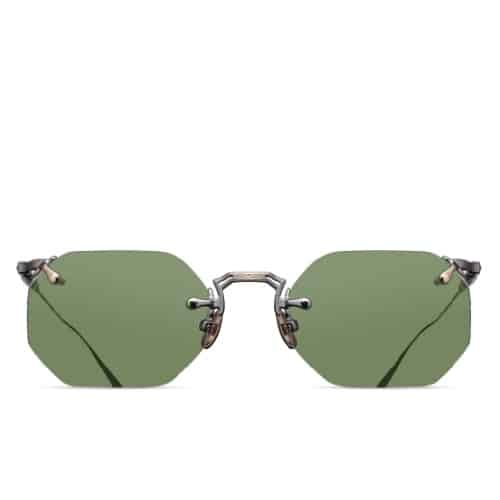
Geometric optics:
Starting from a regular or irregular polygon, this type of optics manages, by smoothing all the vertices, to enhance a geometric shape and give it a slender silhouette with smooth curves. Designed to stand out, they need the crowd to be instantly identified. They give each style a plus of courage that makes it the target of looks.
A practical example? The Matsuda M3104-B.
Pantos Optics:
This form of optics, based on the symbiosis of a circle with an equilateral triangle (until it becomes a quasi-circle). A classic in the history of eyewear that is back in fashion (Johnny Deep has some responsibility). Matsuda, reinterpreting the concept, has a line of optics of this type, to which, of course, he incorporates his ” savoir faire” with engravings and lines of impressive purity . The rest is provided by titanium forming ultra-light moldings.
Example: Matsuda M3058
Materials
Matsuda uses the best materials in the world. Each material is selected according to the function it will fulfill in the frame or optics. For example, for a nose pad, the metal must be malleable in order to fit it. Other parts need to be rigid and solid: for example, a hinge, because if it deforms, the temples will not work properly. Other materials are selected solely for aesthetic and value reasons.
Metals
The main metals used in frames are:
– Titanium (22Ti) is a transition metal with a gray color, low density and great hardness. It has very high strength, is hypoallergenic, stronger than steel, lighter than aluminum, and extremely durable. It is very resistant to corrosion from seawater, aqua regia and chlorine. It is used in aerospace, automotive, medical prosthetics, sports equipment, jewelry, and mobile devices, among other uses. Pure titanium is used for 3-piece frames (2 pins and bridge), in which the optics glass is structural. Another type, beta-titanium (titanium with alloy of other metals), is used to make the frame more flexible.
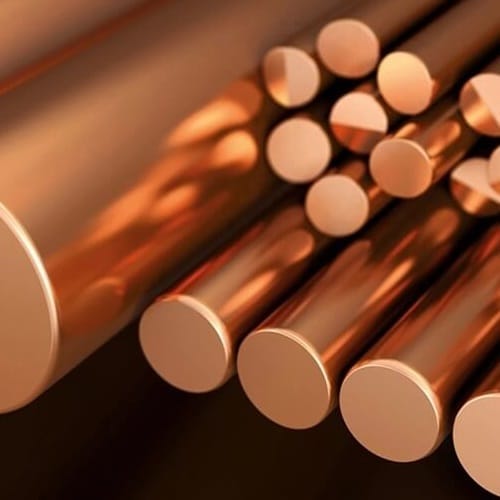
– Beryllium copper is used in smelting, it is an ultra-light corrosion-resistant alloy. It is six times stronger than steel but very elastic.
– Stainless steel is durable, non-corrosive and non-toxic and is excellent for pressing and stamping. In metallurgy, stainless steel It is defined as a steel alloy with a minimum of 10 to 12% chromium content by mass. It may also contain other metals such as molybdenum, nickel and tungsten.
– Silver is a metal with atomic number 47 and symbol Ag. Sterling silver is a highly malleable precious metal. Depending on its purity and the type of alloy, it may be hypoallergenic. It is used exclusively in the Precious collection, as is the 18k solid gold.
– Gold is a chemical element whose atomic number is 79 and its symbol Au. EIt is one of the most appreciated metals in jewelry for its physical properties, having low alterability, being very malleable, ductile and shiny, and valued for its rarity, being a metal difficult to find in nature.


Acetate
– Cellulose acetate, also known as zyl, zylonite, cellon, and Rhodoid, was first made in 1865. It is used as a base for photographic film, as a varnish, as a component of some adhesives or explosives, and as a material in eyeglass frames; It is also used as a textile fiber and in the manufacture of fountain pens, cigarette filters, Lego blocks and playing cards. The Cellulose acetate It is a plant-based plastic (natural cotton and wood fibers). It was used in the production of eyewear in 1940, due to the fragility of the plastics being used. It is made by forming layers of plastic into blocks. They are then carefully cut, polished by hand and finally assembled into a frame. It’s a very durable plastic that doesn’t need to be painted to shine.

Spectacles
The materials used in the lenses are:
– CR-39 is a plastic material, lighter and stronger than glass. It can be dyed with ease and allows for infinite custom colors .
– Glass, is the most scratch-resistant and transparent material.
– Polarized lenses. Polarization reduces glare and allows for greater clarity of vision. Some surfaces (water, snow, glass, etc.) cause the sun’s rays to bounce, producing horizontal reflections and glare. Polarized lenses filter horizontal reflection, preventing glare and improving the contrast of vision.

Technique & Processes
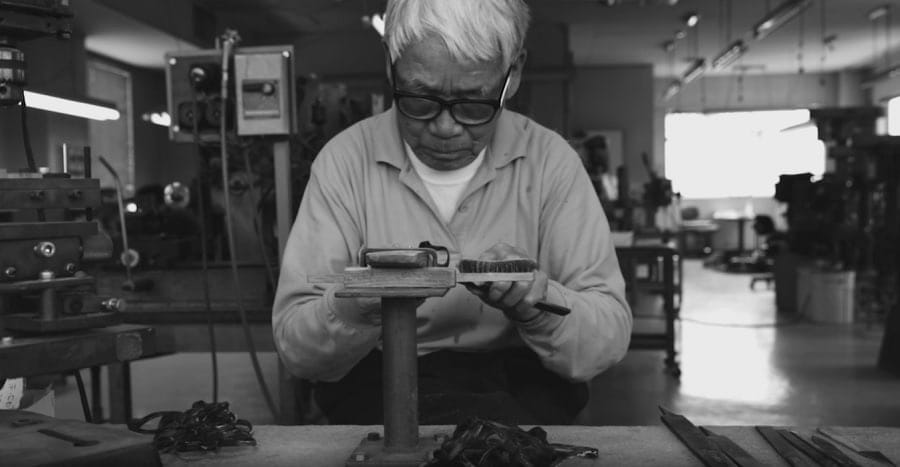
Japanese craftsmanship is characterized by its strict working methods. In a similar way to the famous “German method”, they meticulously elaborate their work processes so that the final product reflects their excellent quality. Let’s see how Matsuda works.
Each of the glasses that Matsuda makes has incorporated 250 processes, 71 hours of work and the intervention of 13 artisans. Although everything is made by hand , after 50 years of experimentation and creation, Matsuda does not rule out incorporating new innovative techniques that allow him to better express his ideas.


Metal Craftsmen
With the aforementioned metals, Japanese master craftsmen achieve elaborately detailed works of art, using techniques that very few would attempt: they prioritize quality over mass production.
– Engraving: there are only 2 engravers left in Fukui today, one working exclusively for Matsuda. Engraving is a very important step in the process as it allows for the customization of the glasses.
– Machining: This process, which consists of several steps, consists of giving a first shape to the metal parts that are going to participate in the frame. They are precise tools with diamond pads to achieve sharp edges and precision cuts.
– Melting: In this process, a liquid is poured at a high temperature into a mold, until its cooling solidifies it. This casting will then be used in the frame of the glasses. Parts that cannot be machined are manufactured by casting. The parts made with this technique are exact to the original part created in the prototype.
– Pressing: Parts such as the pins and the edge wire are obtained in presses that work with more than 100 tons of pressure.
– Welding: In this process, two or more metal elements are joined by other metal components that are electrically heated and melted, generating a contribution (weld or bead) in the joint. Each goggle has 10 to 15 hand welding points perfectly aligned.
– Polishing: Each frame spends 24 hours on a drum polisher (with small metal spheres that will smooth the surfaces) and then they will be repolished by hand. This process also makes it possible to control the production process so far and ensure a defect-free frame.
– Plating: Using Palladium (46Pd), Gold 22.5 k (79Au), Ruthenium (44Ru) and other metals the frames are finished. Using electroplating (electrolytic bath), the frames are immersed in a solution with precious metal micro-particles. The electric current that reaches the grid that contains the frame will fix the particles to the metal and cover it completely.
– Assembling: Once all the parts are completed, they are assembled by hand and the lenses are inserted. They fit and align perfectly before being packaged and shipped. All this work is done meticulously and by specialized personnel, rejecting and returning to the corresponding department the part in which a possible defect in the assembly is observed. In this way, in short runs, 100% quality control of the production parts is carried out.
Acetate Sculptors
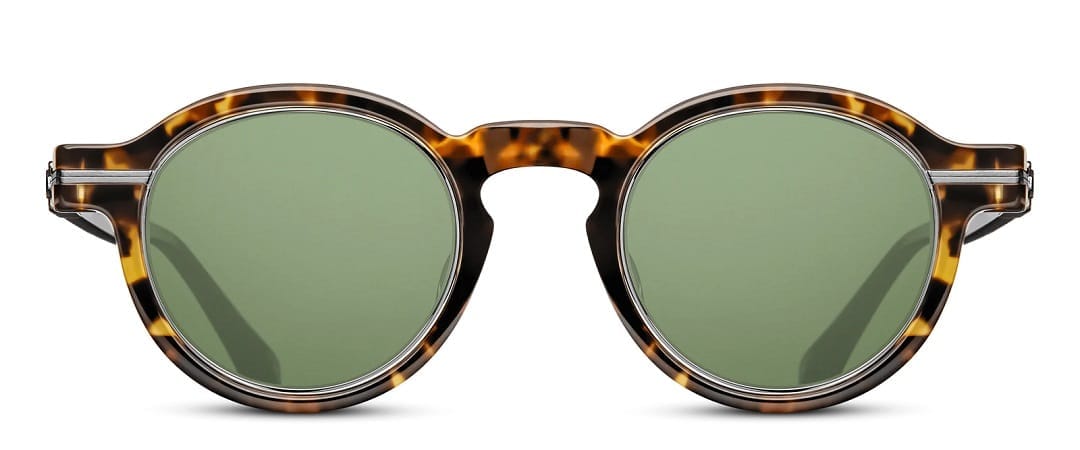
“Japanese acetate” is an organic plastic, derived from cotton and cured for more than 3 months before use. This curing produces intense colors with unsurpassed strength and durability. Each piece is finished by hand by master polishers (they have been apprentices for 10 years until they have perfected their technique), producing extra smooth surfaces, ideal for intense use.
The processes that apply to acetate are as follows:
– Aging: Japanese acetate is aged by curing for more than 3 months, providing intense colours and exceptional hardness.
– Cut: For a perfect finish, the overall shape of the frame is first cut from the acetate sheet. Some types of acetate are chosen for their unique patterns and colors, so they need to be aligned so that the pattern is properly placed on the frame. Cutting is done by hand or with a 5-axis CNC milling machine.
– Sculpted: For a perfect fit, the frames have hand-sculpted bridges. It takes many years of study to master this technique and there are very few craftsmen left who can perform this level of work.
– Wire Cores: Provide structure to acetate temples and help maintain their fit. They are inserted into the acetate by ultrasonic heating or by lamination. In this case, a wire core is manufactured using the crimping process.
– Riveting: Some acetate frames are held in place by rivets (small metal pins) that attach the hinge and temple. They are the safest method of attaching the temples to the frame or hinge.
– Polishing: The frames spend more than 100 hours in a rotating drum containing a mixture of bamboo, walnut shell, and a polishing compound.
– Hand polishing: This is the last step of polishing and this is where the frame gets its character. One of the main details is the union of the temple with the front of the frame, which has to be perfect so that hair or clothes do not get snagged.
– Assembling: Once the whole polishing process is finished, the lenses are inserted and it fits perfectly before packing and shipping.


Featured Creations:
All Matsuda eyewear models are truly remarkable, iconic , I would say. After taking a close look at the Japanese firm’s 2023 range , I would keep them all, but I wouldn’t do my job well. I have synthesized as much as possible and I have tried to have at least one model of each type: Sunglasses and Optical Glasses and from each collection (Heritage, Essential, Collaboration and Precious). For me, the most outstanding models are:
2809H-V2
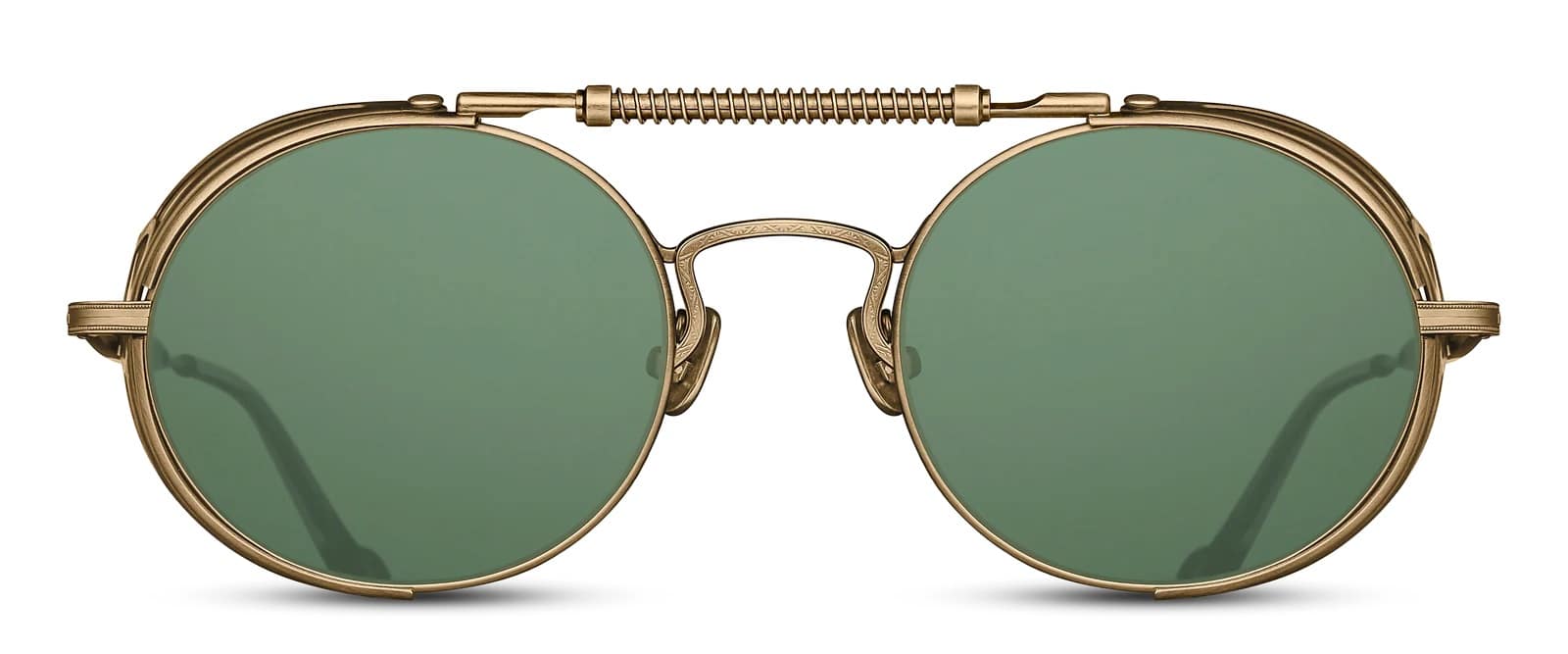
It is Matsuda’s most recognizable model. Since Terminator 3 they have been a reference of exclusivity. This new reissue of 500 units. It combines superbly worked titanium with Japanese acetate of 1st quality. Touches of real leather on the sides give it an true vintage look. Aptly, this side shield is detachable. Today, a jewel for collectors, you can enjoy some of the few units that remain. Hurry!
Type: Sunglasses. Collection: Heritage. Construction: Titanium. Inserts: Japanese acetate, orange skin. Mounting: Antique Gold, Orange. Measurements : 52-22-145 mm. (Optics – Bridge – temple) Lenses: G-15. Colors: 6. Price: €1,525.00 (Check availability)

10601H
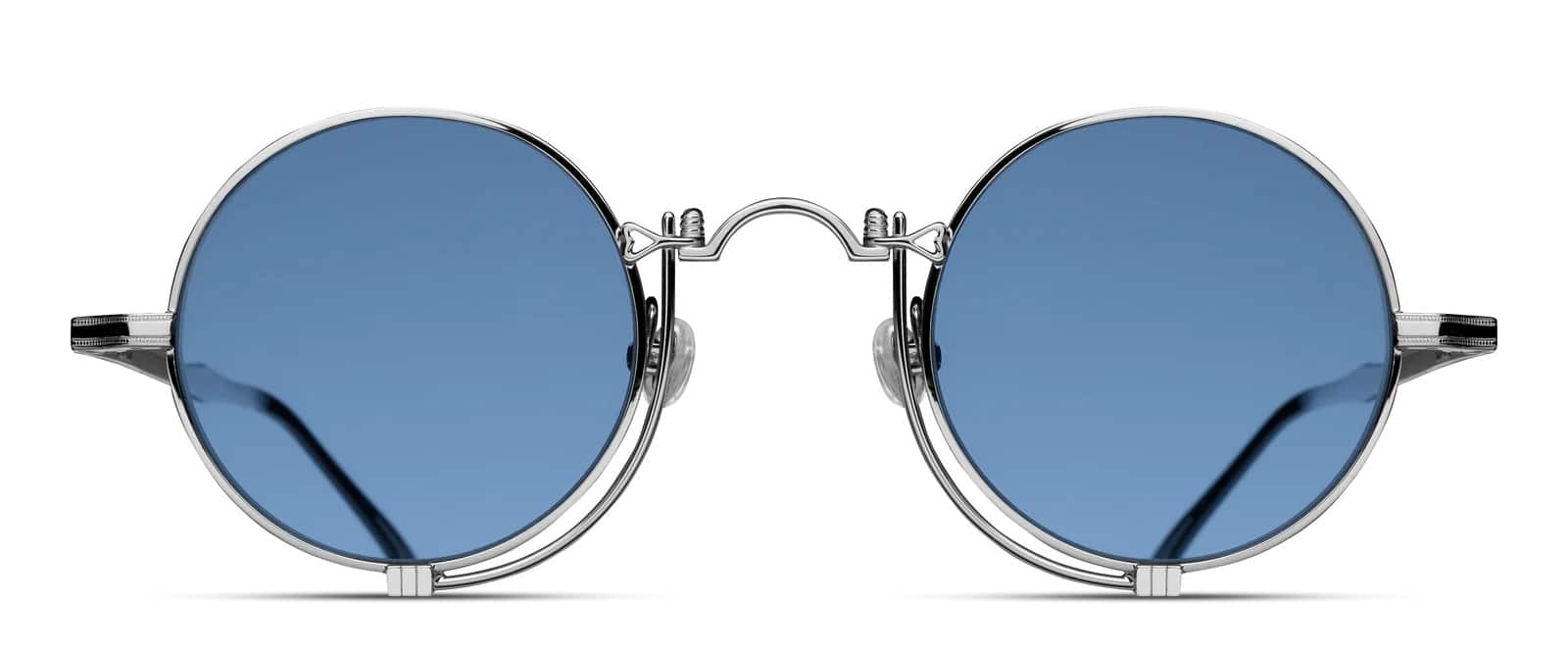
Reissue of the model launched in 1997, it maintains the inspiration of the classic ” quevedos” so popular in the nineteenth century. The work that has gone into this titanium frame is simply spectacular, giving these sunglasses an incomparable style. Highlights include the semi-flat lenses and the round bridge pads, as well as the well-known Matsuda “M + N” engraving.
Type: Sunglasses. Collection: Heritage. Construction: Titanium. Mounting: Ultra-light titanium. Measurements : 45-27-145 mm. (Optics – Bridge – temple) Lenses: Cobalt blue. Colors: 6. Price: €830.00


10605H
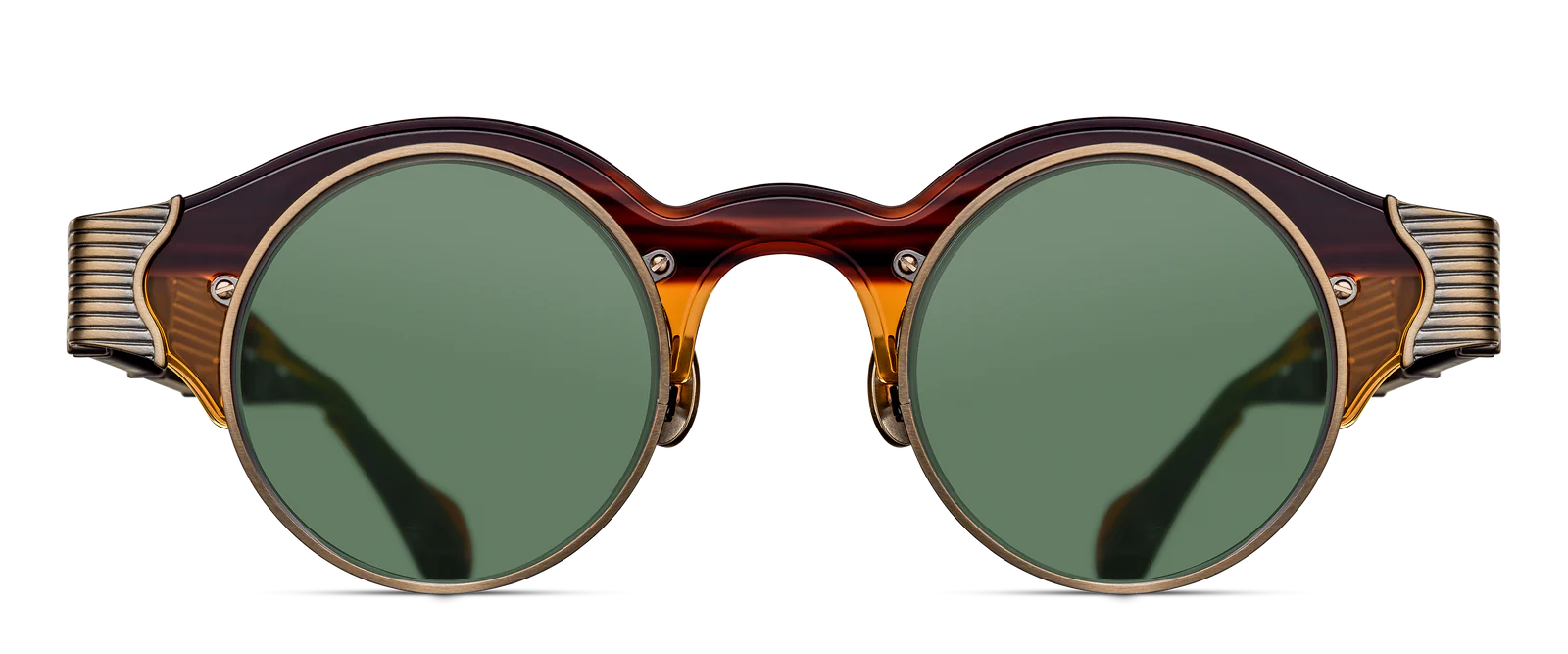
The Model 10605H was created for individuals with a fearless character and exploratory activity. Its bold shape, with round lenses, and the notorious frame made of exquisite Japanese acetate gives this model an unmistakable style. The acetate is hand-polished and the frame contains metal filigrees so as not to go unnoticed. It is made of beautiful materials with green semi-flat lenses.
Type: Sunglasses. Collection: Heritage. Construction: Titanium and acetate rod. Inserts: Precious materials. Mounting: Acetate, Titanium. Measurements : 43-24-145 mm. (Optics – Bridge – temple) Lenses: G-15. Colors: 4. Price: €1,300.00

M3023 “Iron man”
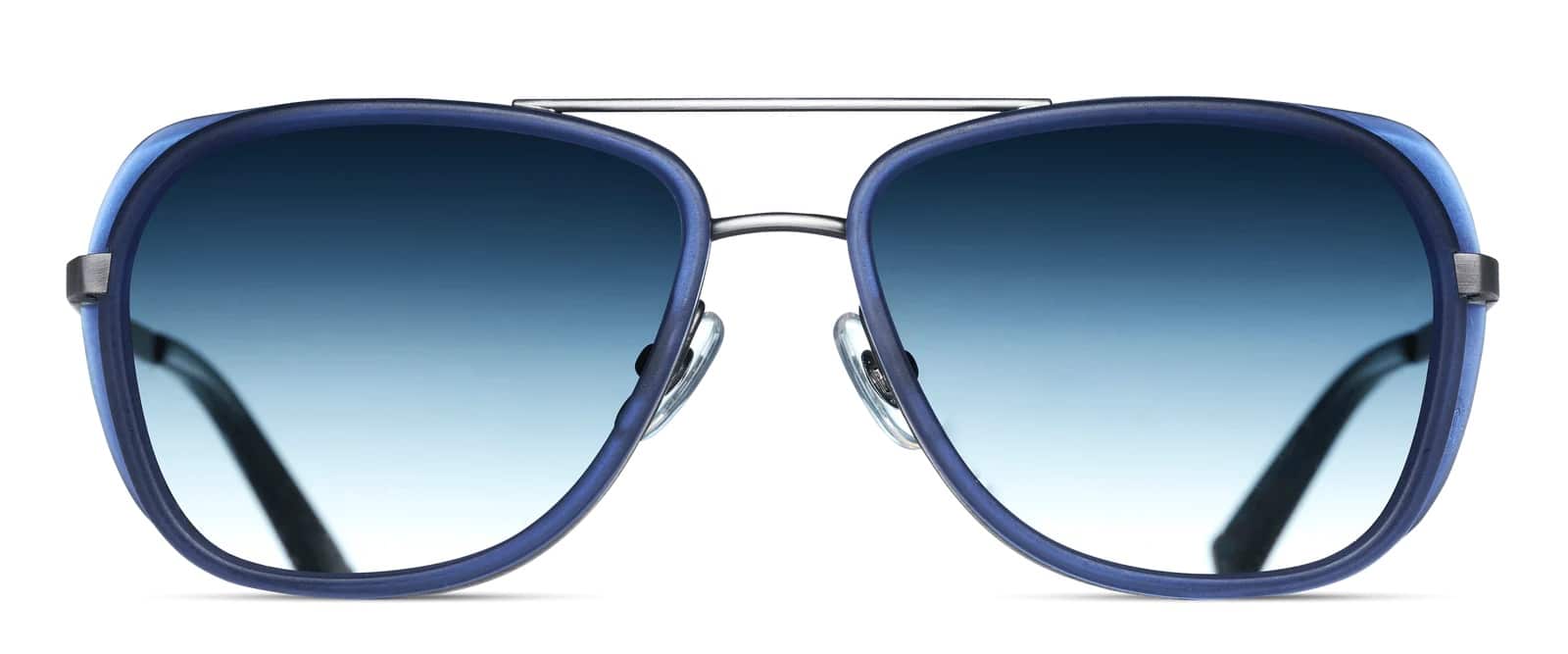
The Matsuda M3023 is iconic, worn by Tony Stark in Iron Man 3. Derived from an “ aviator” model, they are made with aged Japanese acetate and titanium. Of particular note are the subtle Matsuda details on the side shield and on the outer edge. The temples are finely engraved.
Type: Sunglasses. Collection: Essential. Construction: Titanium. Inserts: Japanese acetate. Mounting: Antique silver. Measurements : 52/57-16-145 mm. (Optics – Bridge – temple) Lenses: Gradient Blue. Colors: 6. Price: €770.00


M3058
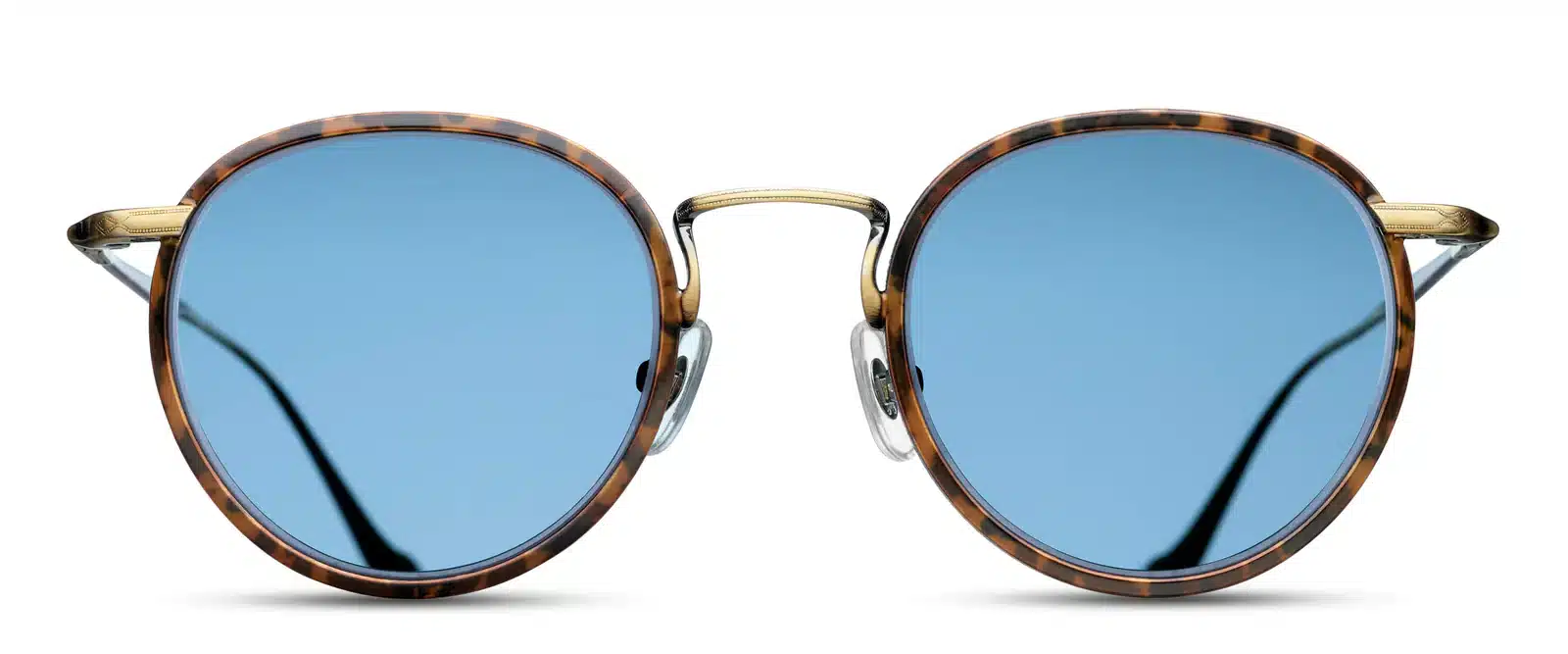
The M3058 is an avant-garde interpretation of the Pantos style of the 1930s. The frame is entirely made of lightweight titanium . The optics, pressed with more than 300 tons, have the Matsuda “M +N” engraving on their outer contour. The hand-lacquered temples have an unmistakable Art-Deco style. The optics, in this case, are Cobalt Blue.
Type: Sunglasses. Collection: Essential. Construction: Titanium. Inserts: Engraving “M + N”. Mounting: Lightened titanium. Measurements : 48-22-145 mm. (Optics – Bridge – temple) Lenses: Cobalt Blue. Colors: 3. Price: €770.00

M3105-D
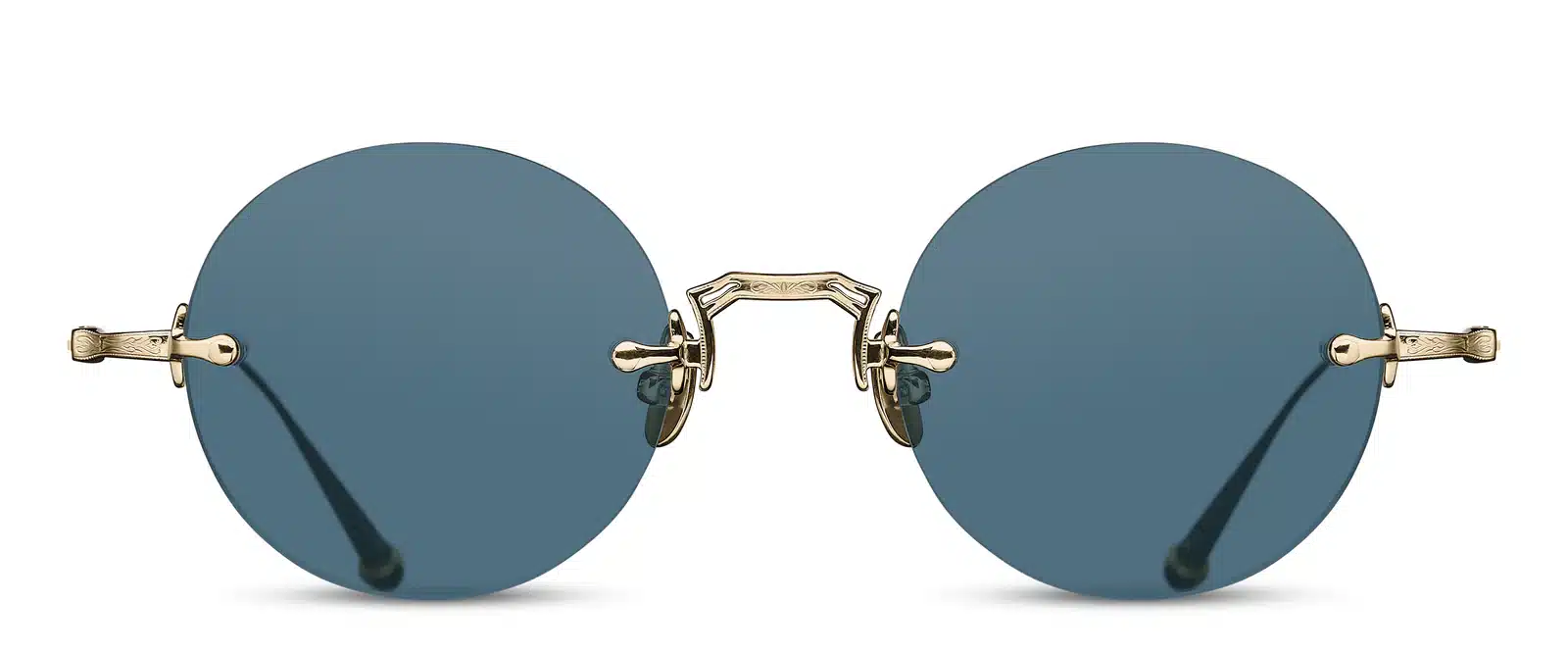
The M3105-D model is a classic round, but without a rim. It is made of ultralight titanium. Rimless designs have their origins in the late nineteenth century, with the motive of making glasses lighter and more comfortable . The Matsuda vision of this model contains hand-engravings on the top and bottom of the Beta titanium temples , which are flexible.
Type: Sunglasses. Collection: Essential. Construction: Titanium. Inserts: Engraving “M + N”. Mounting: Lightened titanium. Measurements : 47-22-145 mm. (Optics – Bridge – temple) Lenses: Round, Blue grey. Colors: 5. Price: €830.00

M3111
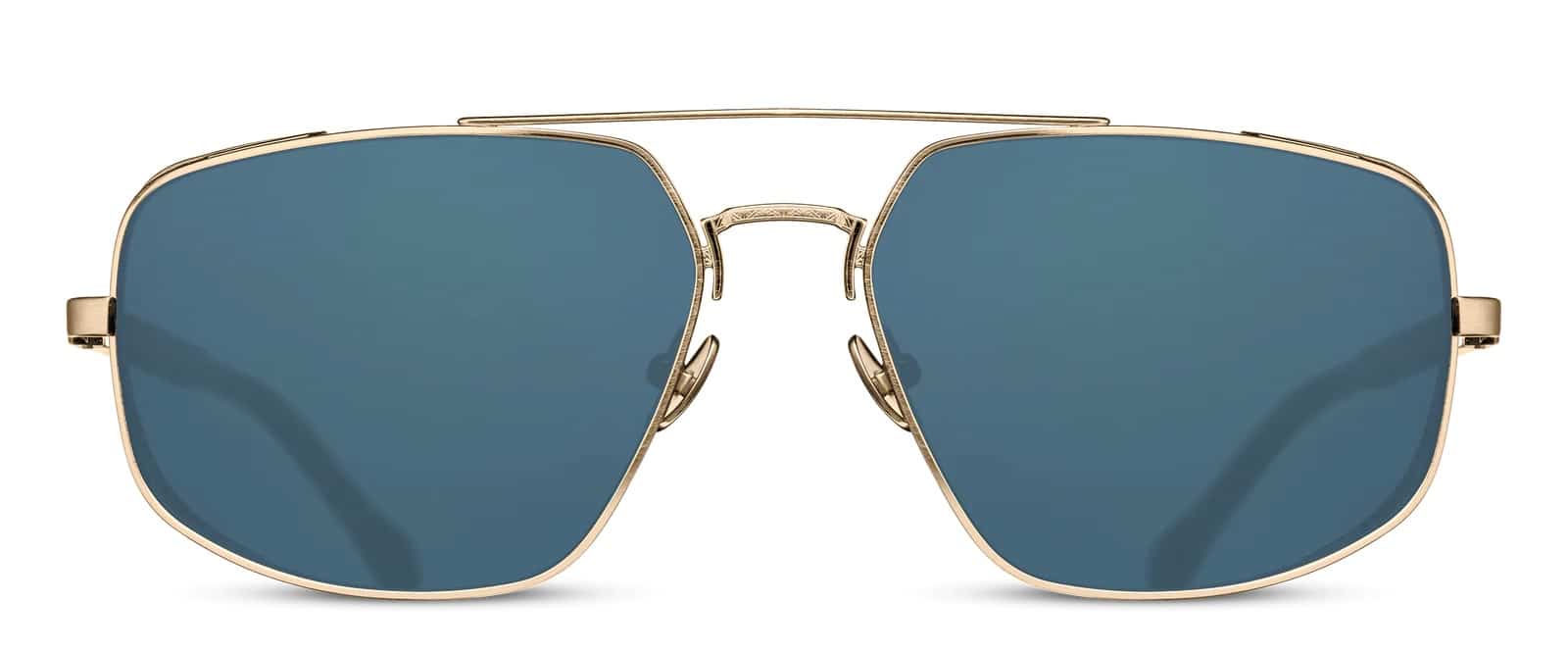
The M3111 is designed for those who want to turn heads. They are large “pilot’s glasses”, for an airplane or sports car, but “for a pilot”. Made of titanium with Japanese acetate on the temples, they have interesting side protectors in the form of a hexagonal metal mesh. The ear pads are made of titanium.
Type: Sunglasses. Collection: Essential. Construction: Titanium. Mounting: Titanium. Measurements : 60-17-145 mm. (Optics – Bridge – temple) Lenses: Teardrops , Blue grey. Colors: 4. Price: €1,150.00

M3127
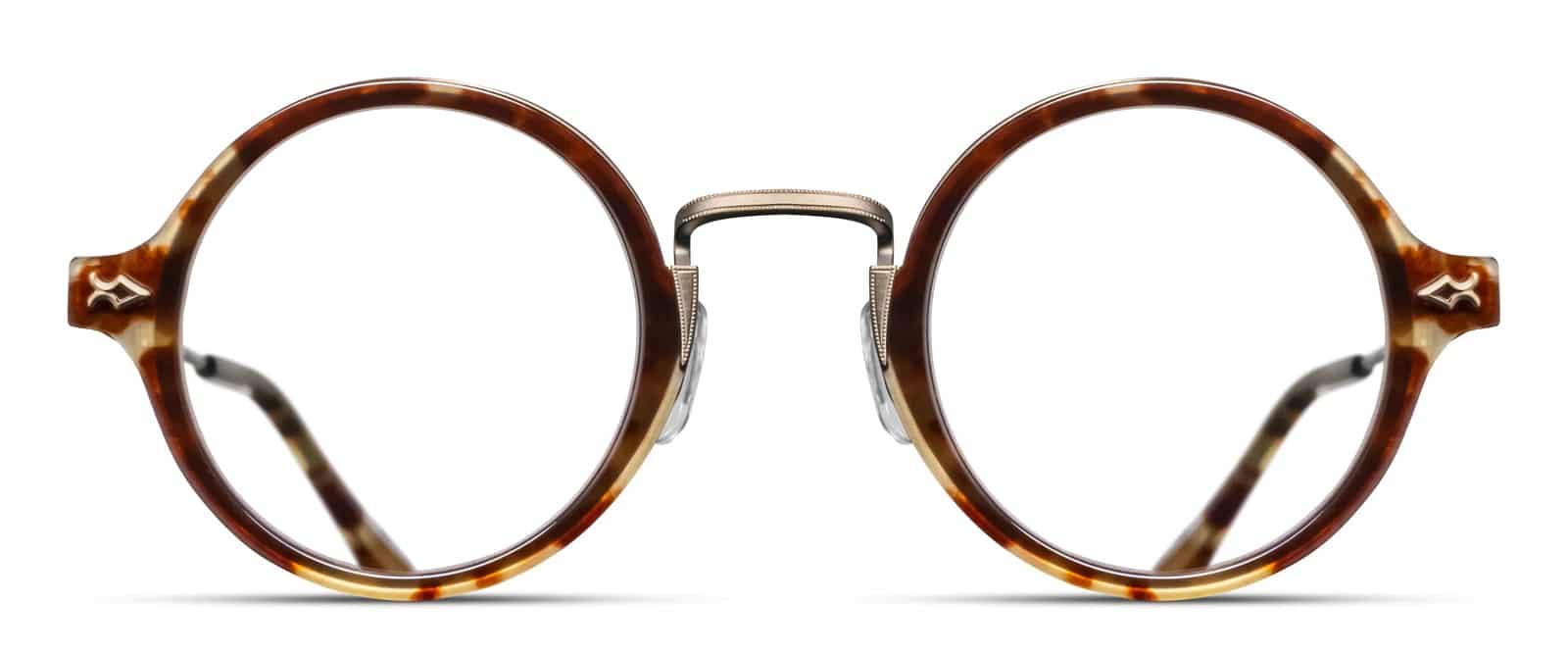
Matsuda M3127 is an extra-thin model made of carefully hand-polished acetate. In addition, it features a delicate titanium frame lightened around the optics. It features Matsuda’s well-known initials “M+N” on the outside of the optics. The sideburns are meticulously lacquered like Parisian stained glass windows.
Type: Optical glasses. Collection: Essential. Construction: Titanium. Mounting: Titanium and Acetate. Measurements : 43-25-145 mm. (Optics – Bridge – temple) Lenses: Organic, transparent. Colors: 4. Price: €800.00

M9012
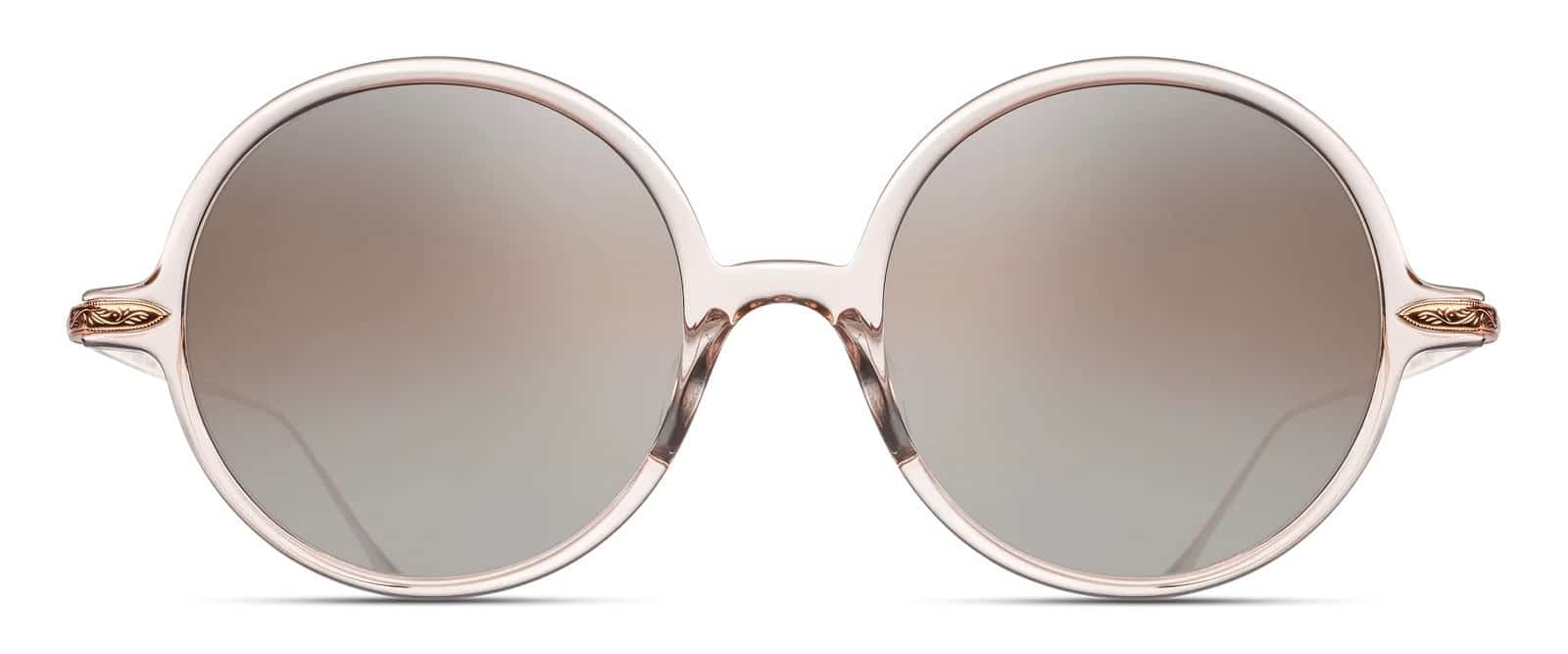
The M9012 model is inspired by women’s eyewear from the 60s. A delicate silhouette of round optics made of hand-polished acetate contains silver gradient brown lenses. The temples are made of . 925 solid silver and then plated in 22k gold, finely lacquered and embellished with beautiful filigree.
Type: Sunglasses. Collection: Precious. Construction: Japanese acetate. Mounting: Silver and Acetate. Measurements : 53-20-142 mm. (Optics – Bridge – temple) Lenses: Brown, silver gradient. Colors: 4. Price: €1,300.00 (Check availability).


M9014-I
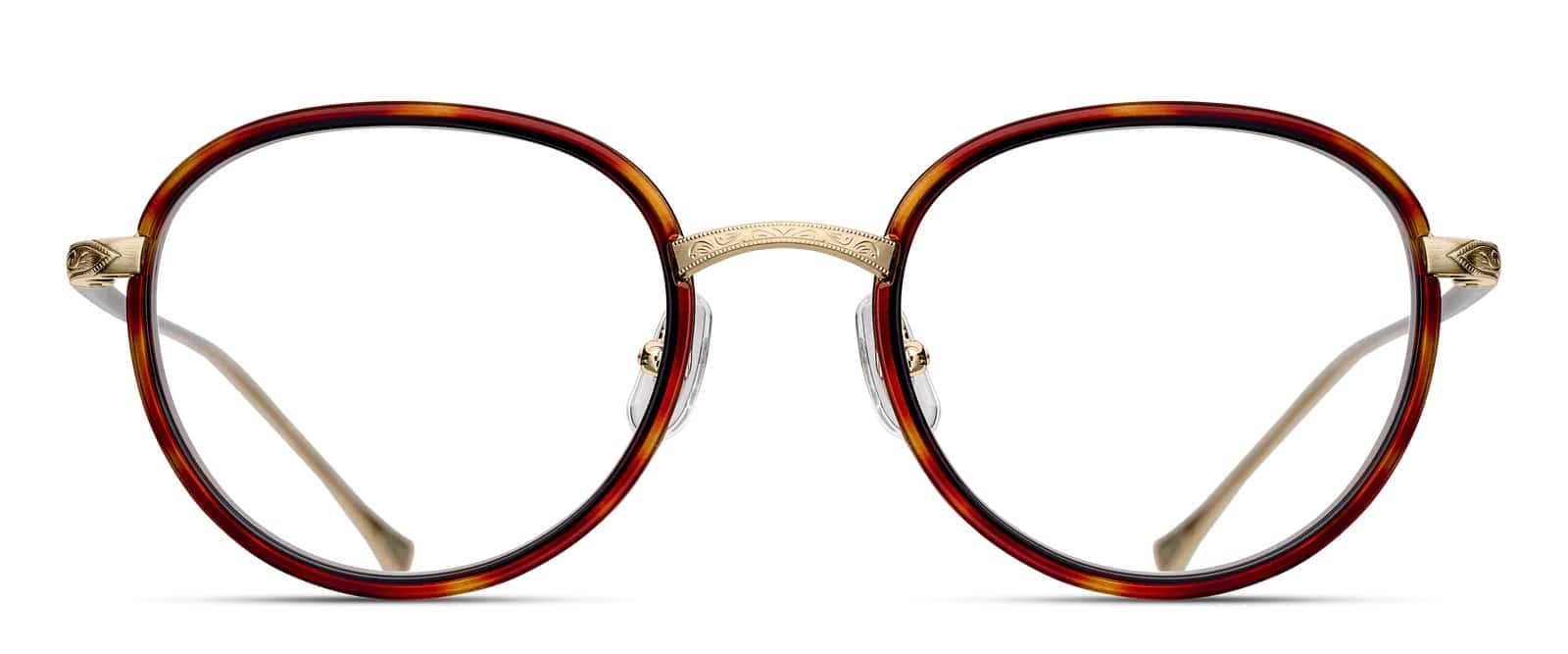
The M9014-I model, based on the classic Pantos silhouette , is constructed from a solid silver frame finished in varnished 22k gold. It is complemented by optics made of carefully hand-polished Japanese acetate. Gold plating can be in white gold, rose gold, or yellow gold.
Type: Optical glasses. Collection: Precious. Construction: Japanese acetate, solid silver. Mounting: Silver and Acetate. Measurements : 48-20-142 mm. (Optics – Bridge – temple) Lenses: organic transparent. Colors: 3. Price: €2,000.00 (Check availability).

MXMF1
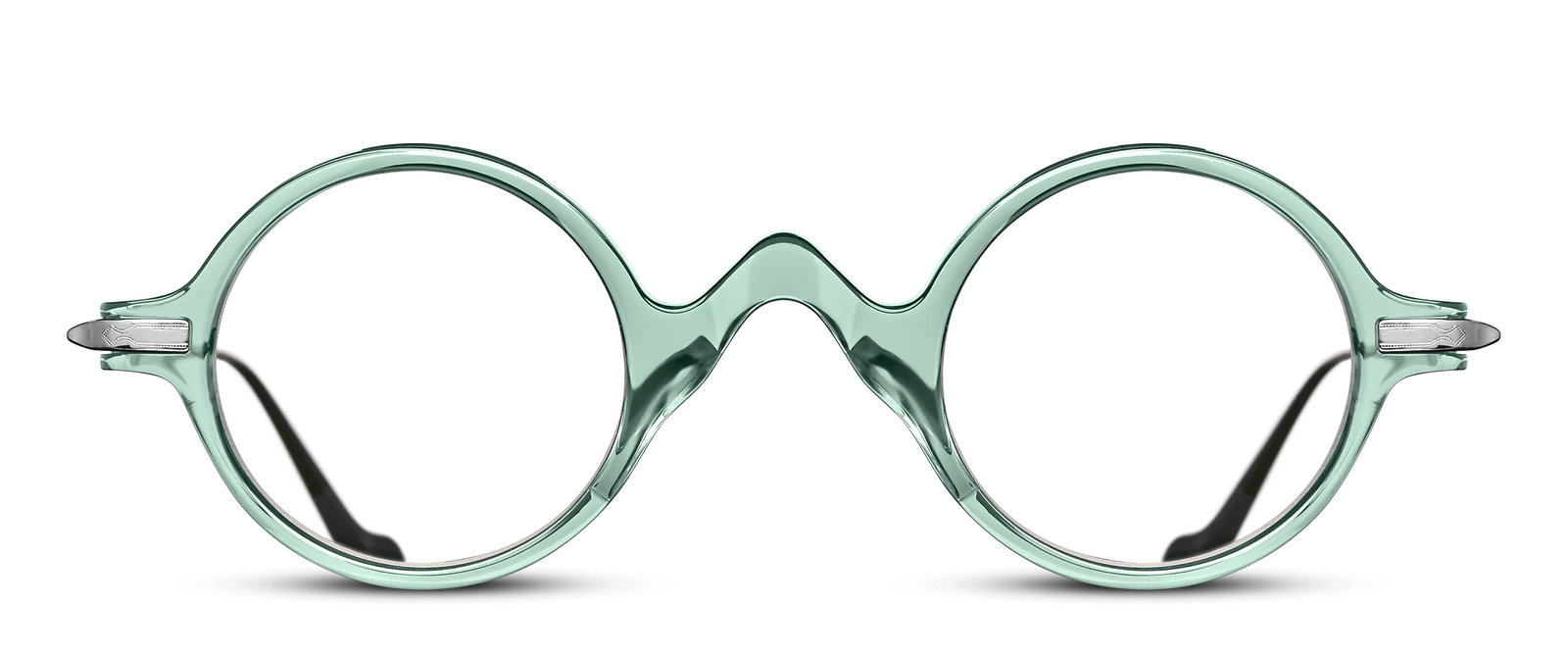
This model is a collaboration with the renowned New York eyewear house, Morgenthal Frederics. It’s a fun interpretation of the famous Lifesaver round frame. Deliciously sculpted in mint green translucent acetate, it has the pads inserted into the frame. The temples are finely crafted from ultra-light titanium and lacquered by hand.
Type: Optical glasses. Collection: Collaboration. Construction: Japanese acetate, titanium. Mounting: Acetate. Measurements : 29-28-145 mm. (Optics – Bridge – temple) Lenses: Organic. Colors: 5. Price: €770.00.

Information, bibliography and media:
We use our own means and other means with the availability allowed by current legislation and free access to the World Wide Web. (See Terms and conditions)
Texts: Own, on information from Matsuda, FAVR, WWD, Óptica Bassol, Santa Eulalia, Luxury Eyesight, the Luxury trends, .
Images: Matsuda, WWD, Wikimedia Commons.
Vídeos: s. n.