



Method

Introduction to the method
The methods are necessary to exercise any professional activity. In our case, we also use methods to provide content to our blog.
Thanks to internet communication and the ease of access to all kinds of information, today it is easier to develop our own methodology. All the actions we carry out to obtain content are planned and have an action protocol. In this methodical way we are publishing very complete articles of highly interesting objects for encyclobjects.com.
Also, there is a certain predisposition on our part to “curiosity”. Have you ever asked: what is this for? Of course, it is part of our DNA. We are curious by nature, which allows us to continue learning for life. This curiosity, coupled with the ability to “smell” leads us to distinguish an object with “path” from one without “perspective”. Here begins the method: with curiosity.
If a problem is studied with order and method, there is no difficulty in solving it. “
Search
Search: “Do something to find someone or something.” This very brief definition does not accurately reflect our search work. We carry out much more intense work until we achieve the objective, the desired item.
We start from source information that may be more or less exact and come from our own concern or from an external consideration. The fact is that, almost always, we start from a word: eg. “lighters”.
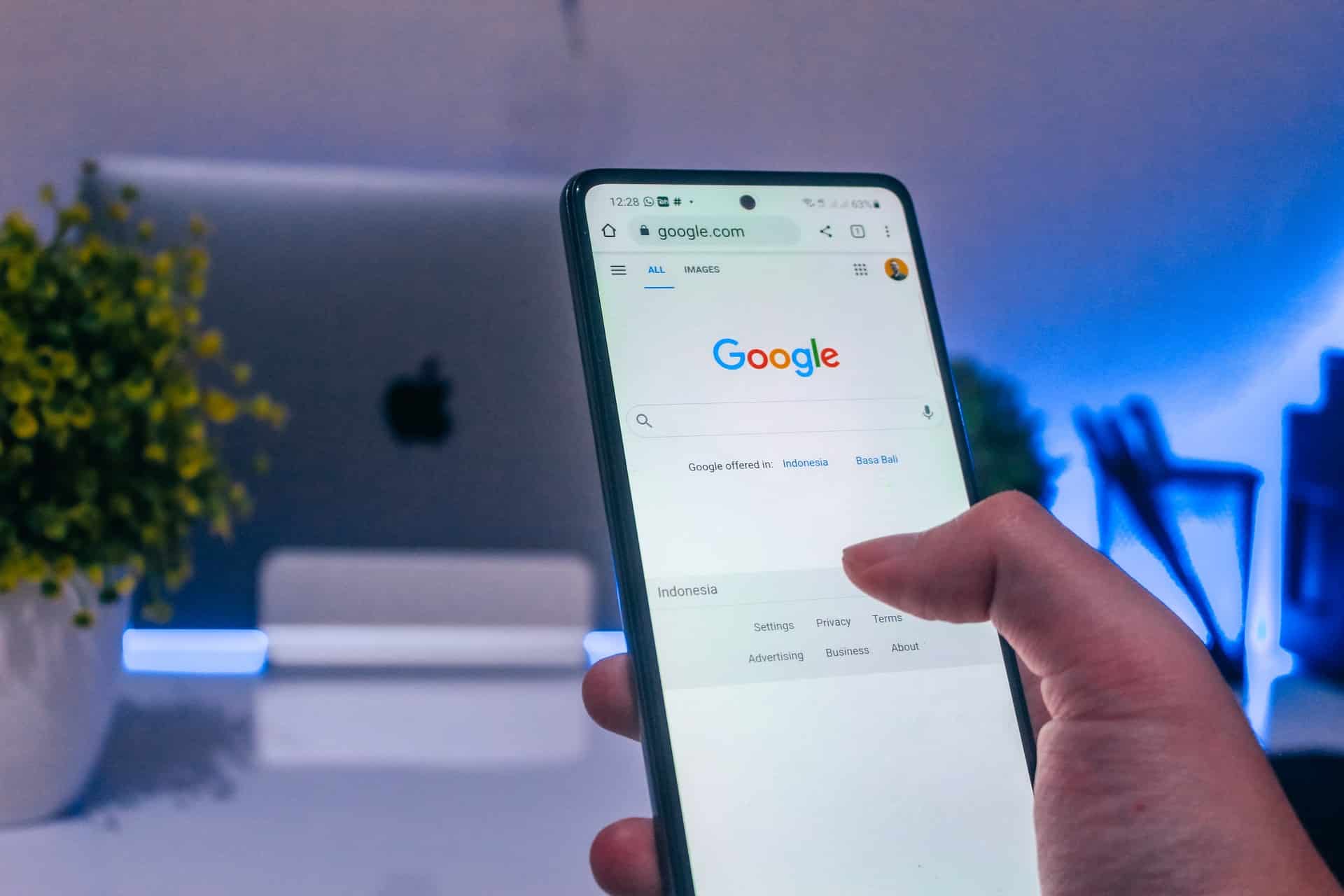
Seen this way it seems simple, putting the searched word in Google should give us enough results to select one of them and get to work. But no, it’s not that simple. Things get complicated when a reader asks us, for example, for an article with this theme: “lighters from our grandparents.“
Well, in this case, Google can bring us a little closer to our goal, but what about a visit to the Rastro? Believe me, there is nothing as rewarding for a curious person like me as visiting the Rastro de Madrid. Its people, its stalls, objects, old records, paintings, furniture… They seem to be impatiently waiting to be “adopted” by a prestigious collector.
The search task requires time, patience, and… rigor. Searching for a certain article can be a labor of many days. We not only need the product, we need photos, history, author, content, news and also, experiences.
Google, Bing and other internet search engines are very important in this work, but there is life out there and sometimes we have to go out and find it.
Analysis
Once the object on which we are going to deal with our article is located, we will carry out an in-depth analysis from all possible points of view. We will analyze one by one, the following elements:
– Design, editing and manufacturing
Every object we publish has an author, either from the manufacturer’s own design team or an external designer.
Design
We will refer to the author of the product design and give the precise references to identify it with it.
Edition
The publisher name qualifies the firm in charge of producing the object in question and bringing it to market in accordance with a commercialization and marketing policy.
Manufacturing
Without going into details that could compromise the patent that protects each object, we will explain with the appropriate detail how the object is produced, with what technology and some peculiarities of its production process.
– Presentation of the article
We will describe in detail how we received our item, its packaging, and its documentation, to check that everything is in perfect order.
Packaging
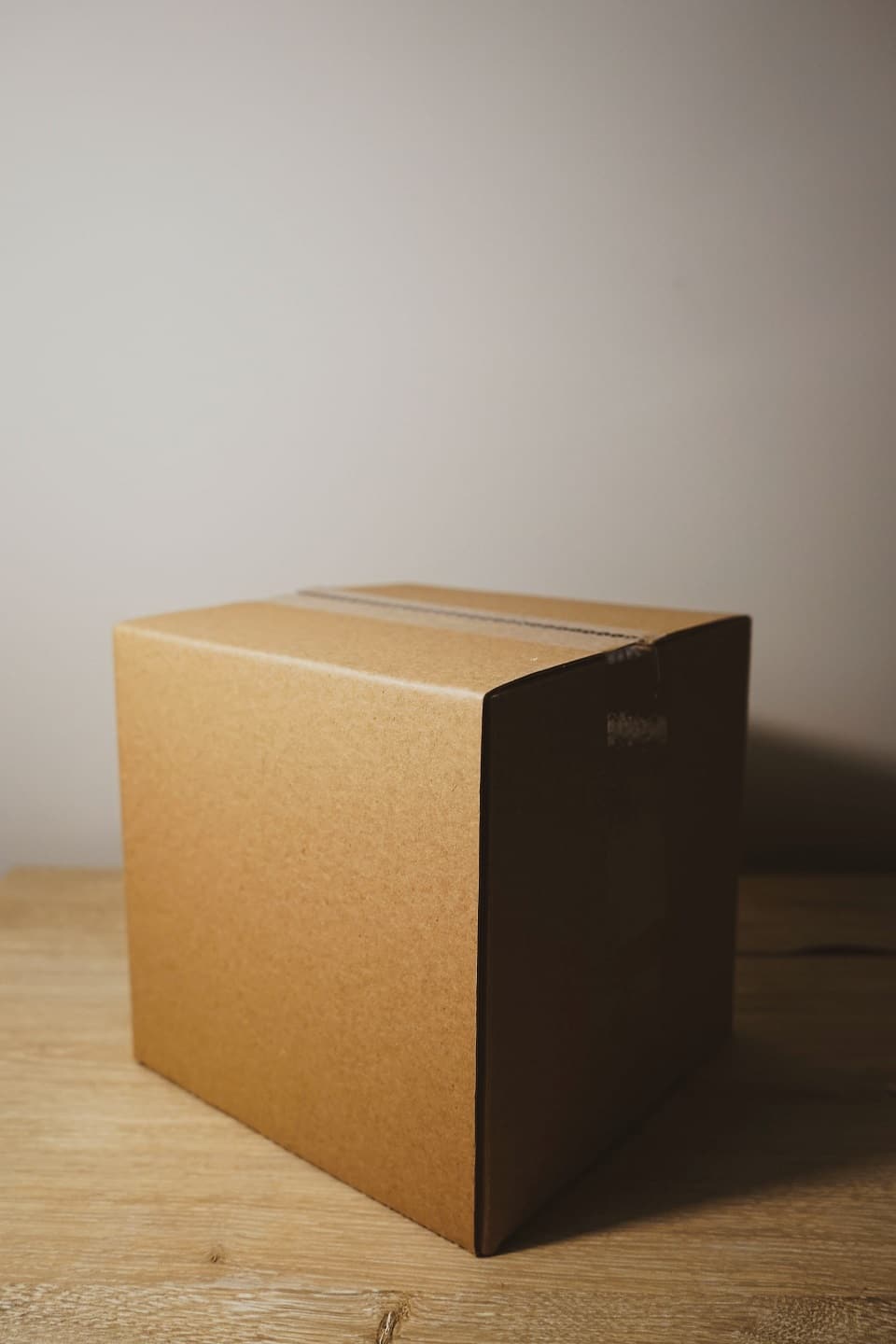
Our mission is to describe it in detail, detailing the container, its sufficiency, its composition, volumetric measurements and weight. Also, we check the exterior labeling and the safety indications and storage advice.
Packing List
Once the packaging is carefully opened, we will check the list of contents, ordering the elements inside and thus compare that it coincides with the packing list provided by the manufacturer.
Physical characteristics
Measurements are made of the objects that make up the article in question and they are weighed to obtain the net mass and, therefore, the gross/net weight ratio of the article.
– Detailed description
Describing an article well consists of being as exact as possible. It’s pretty safe to go by the manufacturer’s definition, no one knows their products better than they do.
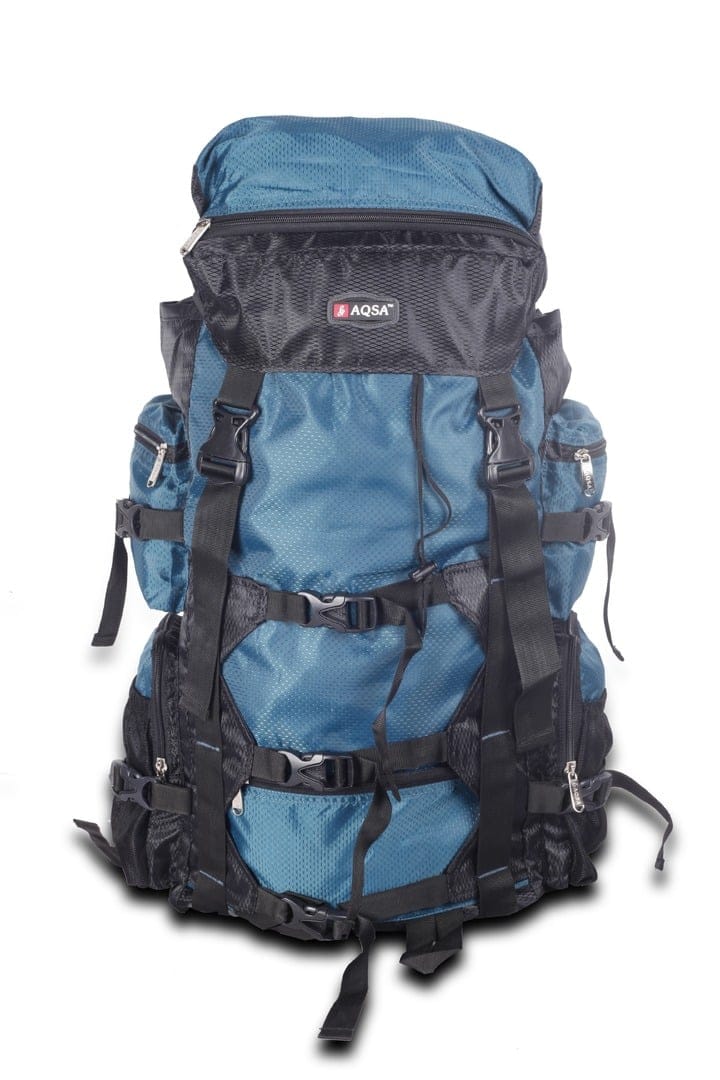
However, “hiking backpack” vs. “professional mountain backpack” represent two very different types of backpacks. Therein lies our work.
We will explain in detail the following:
- Look and feel
- Measurements, weight and volume
- Composition
- Design and ergonomics
- Color range
- Sizes and/or talles
- Accessories, spare parts and/or refills
- Uses and operation
- Warranty
– Media Content
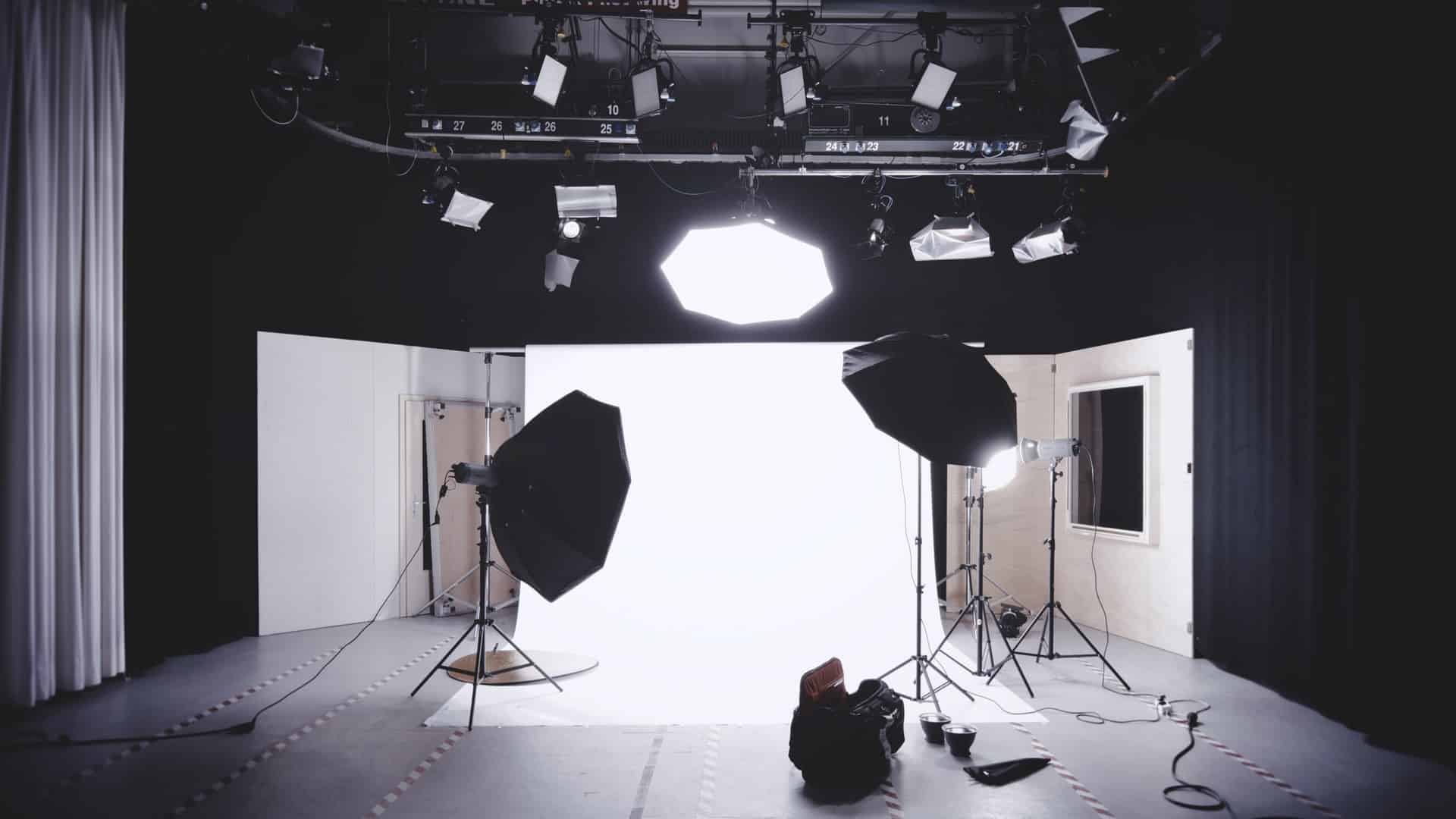
We provide all our articles with sufficient graphic information to be able to evaluate the main article of the post with quality.
In many cases, the images and even videos are self-produced. However, on other occasions, due to the quality of the multimedia support provided by the brands, with their consent, we make use of their material in the presentation, description, and other information of the article.
Due to the large byte consumption of all the multimedia support of our magazine, we also use compression, optimization and off-screen image presentation delay tools to improve the browsing experience of our users.
– Commercial and sales information
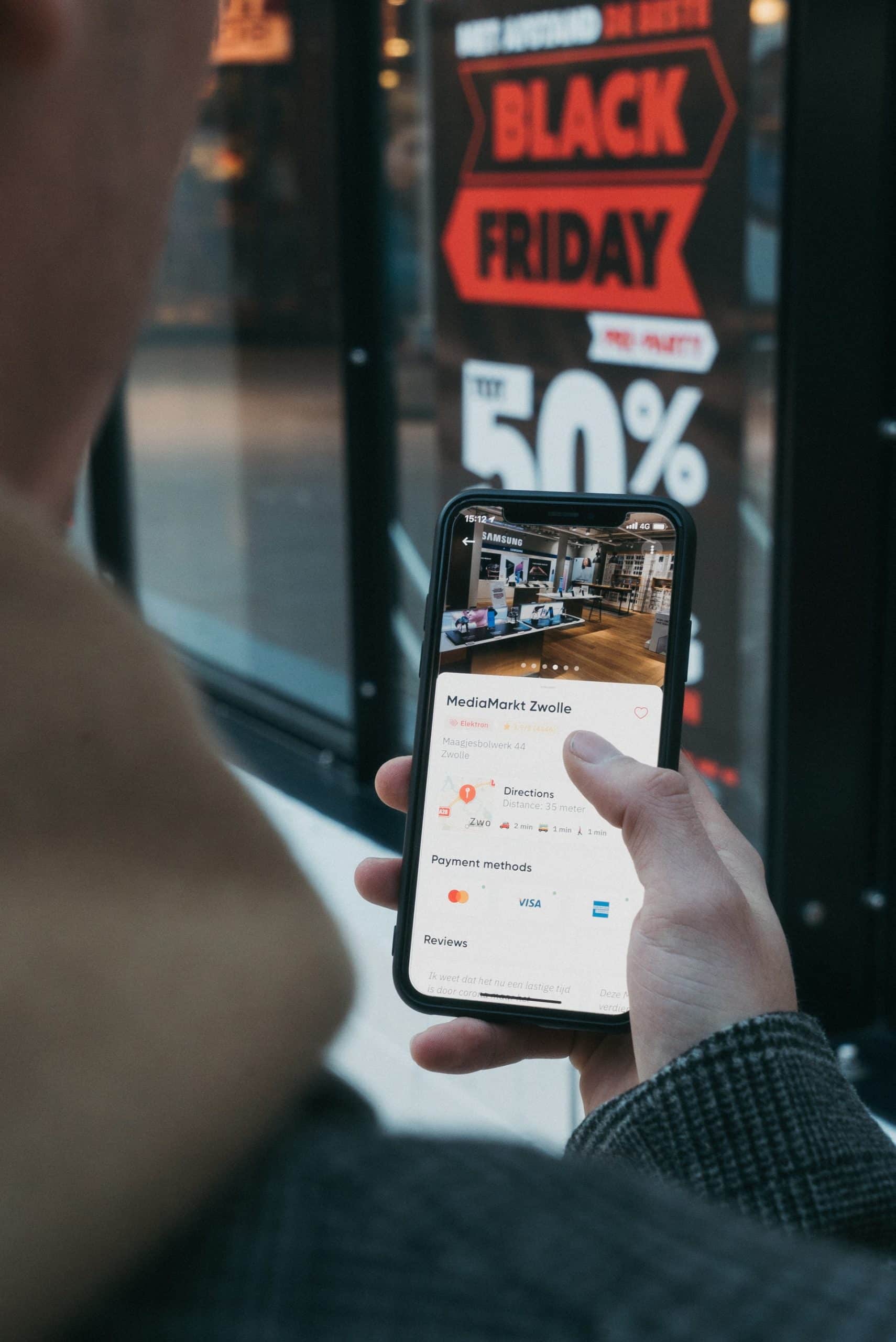
Brands commercially position their items according to several factors: demand, prestige, market position, opportunity, excess or liquidation of stocks, promotion, discount per designated day (Black Friday, Mother’s Day, Christmas campaign, etc.) and others.
We provide the sale price with the link to the establishment’s sales page. The linked prices are those that we have obtained valid on the day of publication of the article.
The main criterion is quality (of product, service, and customer service), for equal quality, the best price. In the event of product or service quality well above the competition, we will link the price of the best establishment to guarantee our users.
Exclusive offers will be published with the validity of the offer.
Other links can be provided to complement the information in the article.
Evaluation and conclusions
Each of our articles ends with a final assessment by us. We have developed the article with method and rigor, and we have also been objective in all sections of the assessment.
However, our commitment to the users of our magazine is to provide an assessment, and that is what we will do in each of our articles.
Even so, there is still one more method to discover: the evaluation of our users.
Each article has a possibility to assign stars based on its interest and quality. You can also share the article on social networks if you wish. And, of course, you can also leave us a comment that we will read carefully to find out what we do well and what things we need to improve.
These are the methods we use to publish articles, with them and our effort and dedication we want to win a place in your reading.